





What's Happening?
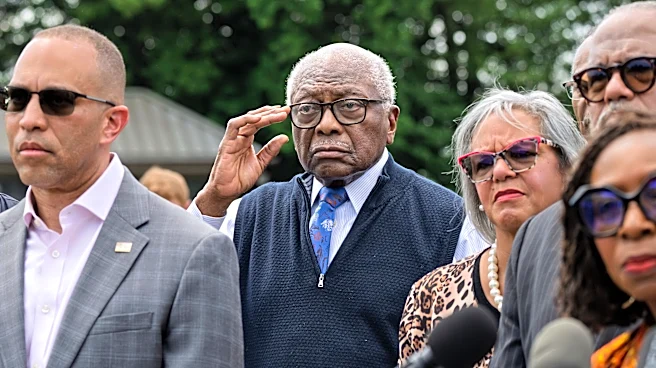
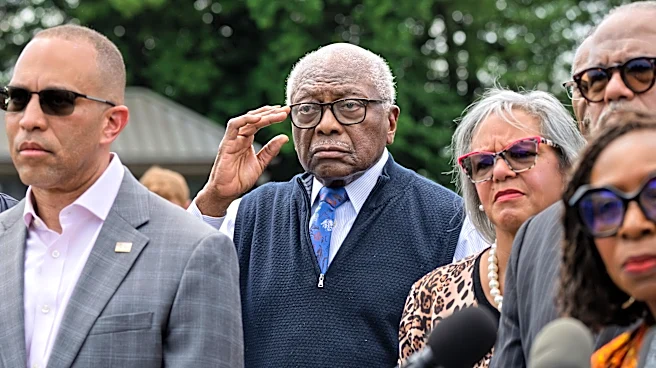
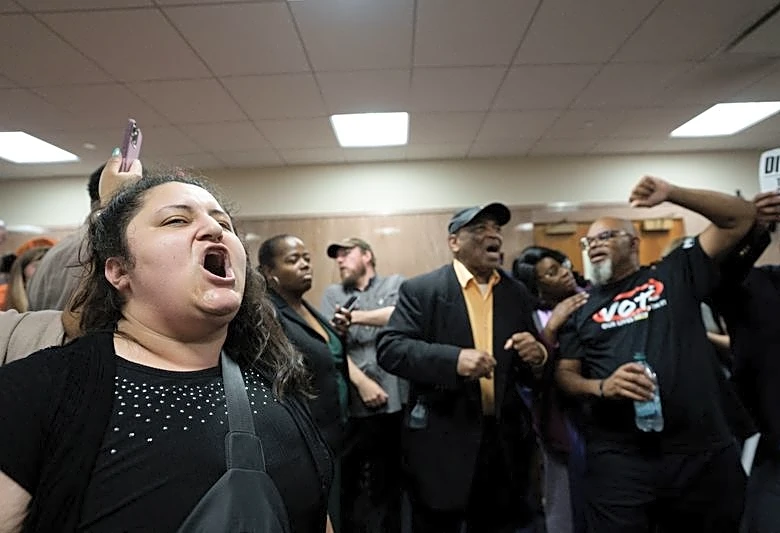
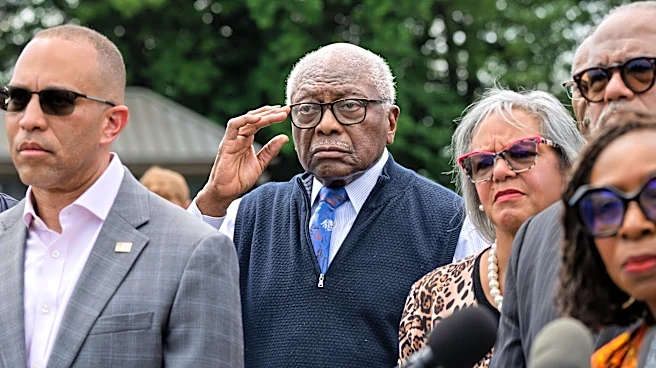
A significant redistricting effort is underway across several U.S. states, impacting congressional voting districts for millions of Americans ahead of the November midterm elections. Initiated by President Trump's call for redistricting in Texas, similar
efforts have been enacted in Missouri, North Carolina, Ohio, Florida, and Tennessee, with Louisiana and Alabama also involved in ongoing legal and legislative processes. These redistricting efforts are primarily driven by Republican-led initiatives aiming to secure additional seats in the U.S. House. The changes have sparked legal challenges, particularly concerning racial gerrymandering and partisan bias, with several lawsuits pending in federal courts.
Why It's Important?
The redistricting efforts have significant implications for the political landscape in the U.S., potentially altering the balance of power in the House of Representatives. By redrawing district lines, Republicans aim to gain up to 14 additional seats, which could be crucial in maintaining control of the House. Conversely, Democrats are also seeking gains in states like California and Utah. The legal challenges surrounding these efforts highlight ongoing debates about fair representation and the impact of gerrymandering on electoral outcomes. The outcome of these redistricting efforts will influence legislative priorities and policy decisions at both state and federal levels.
What's Next?
As the redistricting process continues, legal battles are expected to intensify, with several cases likely to reach higher courts, including the U.S. Supreme Court. The resolution of these cases will determine the final district maps used in the upcoming elections. Political parties will focus on mobilizing voters within the newly drawn districts, adjusting campaign strategies to reflect the changes. The ongoing legal and legislative developments will be closely monitored by political analysts and stakeholders, as they could set precedents for future redistricting efforts and electoral processes.