


What's Happening?
Rural communities in Ohio are advocating for practical solutions to pressing issues rather than divisive political rhetoric. Residents and local organizations, such as Citizens for Common Sense, emphasize that political conversations often devolve into
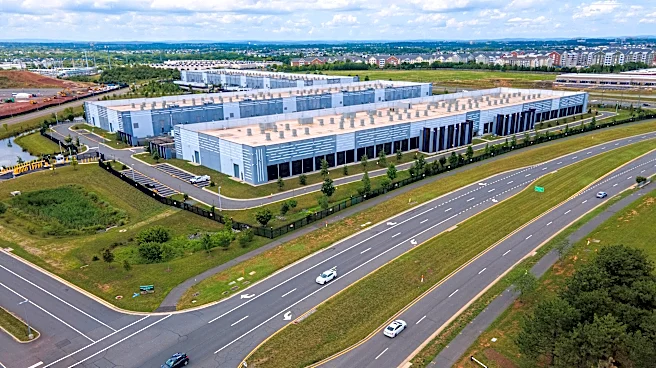
labels and insults, overshadowing critical problems like rising costs, healthcare access, and economic opportunities. Key concerns include the increasing cost of groceries, housing, and health insurance, which are outpacing wages. Farmers are facing significant financial strain due to soaring fertilizer and diesel prices, leading to a rise in family farm bankruptcies. Additionally, rural hospitals, like Wayne HealthCare in Greenville, are at risk due to federal Medicaid funding cuts, and public schools in rural districts face substantial funding shortfalls. The rapid expansion of large-scale data centers in neighboring counties also raises concerns about environmental impact and transparency in development.
Why It's Important?
The call for 'solutions, not slogans' in rural Ohio highlights a growing frustration with political polarization and its detrimental effects on local communities. The economic and social challenges faced by rural Ohio, including financial pressures on farmers, underfunded schools, and vulnerable healthcare systems, are indicative of broader issues affecting rural America. The potential impact of data centers, while offering some economic benefits, also brings significant environmental concerns regarding water consumption and noise pollution, which could affect the quality of life for residents. This situation underscores the need for bipartisan cooperation and community-focused leadership to address complex problems that transcend political divides. The success or failure of addressing these issues in Ohio could serve as a model or a warning for other rural regions across the U.S.
What's Next?
Ohio lawmakers are currently developing House Bill 983, the Data Center Accountability and Citizen Protection Act, introduced by Representatives Jennifer Gross and Michelle Teska. This bipartisan bill aims to address concerns related to data center construction by mandating voter approval, ending future property tax abatements, requiring disclosure of cooling system chemicals, and setting environmental standards. However, the bill has not yet had its first committee hearing, and its details are still being finalized. Citizens are urged to communicate with their state representatives and senators to ensure their interests are incorporated into the bill's development. Continued advocacy for equitable public school funding, protection for rural hospitals, and support for farmers will also be crucial. The focus will be on legislative action and community engagement to shape policies that genuinely benefit rural Ohio.
Beyond the Headlines
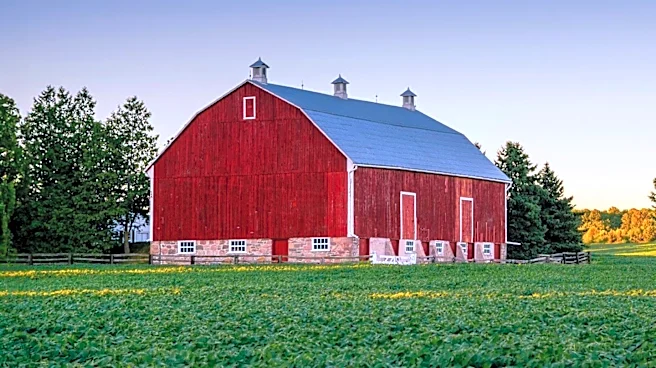
This situation in rural Ohio reflects a deeper societal tension between economic development and environmental preservation, particularly in areas undergoing rapid industrialization. The use of non-disclosure agreements and shell companies by developers for data centers raises ethical questions about transparency and community involvement in land use decisions. The struggle for fair funding for rural schools and hospitals also highlights systemic inequities in resource distribution between urban and rural areas. The emphasis on 'faith, community, self-reliance, and building a good life near the land' by rural residents points to a cultural identity that feels threatened by external pressures and political neglect. Addressing these issues requires not just policy changes but also a re-evaluation of how economic progress is balanced with community values and environmental stewardship.