






What's Happening?
Russia plans to stop the flow of Kazakh oil through the Druzhba pipeline to a refinery in eastern Germany starting May 1, as reported by the German energy ministry. The decision, confirmed by Russia's Deputy Prime Minister Alexander Novak, involves redirecting
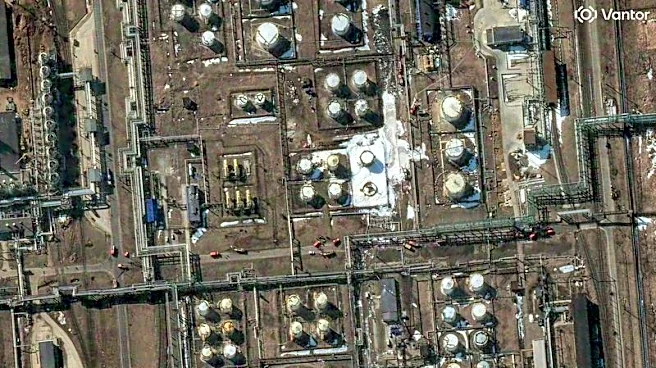
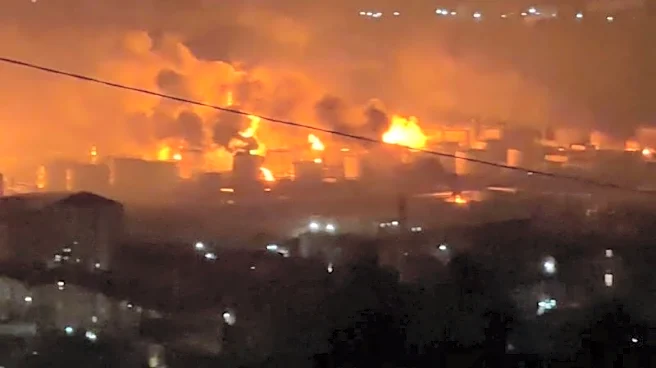
the oil to other logistics routes due to technical capacities. The German subsidiary of Rosneft, Russia's state-owned oil company, is assessing the implications of this pipeline closure. The move comes amid ongoing Ukrainian drone strikes, which have been cited as a potential cause for the disruption.
Why It's Important?
The suspension of Kazakh oil transit through the Druzhba pipeline could have significant implications for Germany's energy supply, particularly for the Berlin region, which relies on the affected refinery. This development highlights the vulnerability of energy supply chains to geopolitical tensions and conflicts. The redirection of oil flows may lead to logistical challenges and potential supply shortages, prompting Germany to explore alternative sources to ensure energy security. The situation also reflects the broader impact of the Ukraine conflict on European energy markets.
What's Next?
Germany will likely seek alternative oil sources to mitigate the impact of the pipeline closure. The German government and Rosneft Germany are expected to explore all available options to maintain energy supply. The situation may also prompt further discussions between Germany, Russia, and Kazakhstan regarding future oil transit arrangements. The ongoing conflict and its impact on energy infrastructure will continue to be a focal point for European energy policy and security strategies.