




What's Happening?
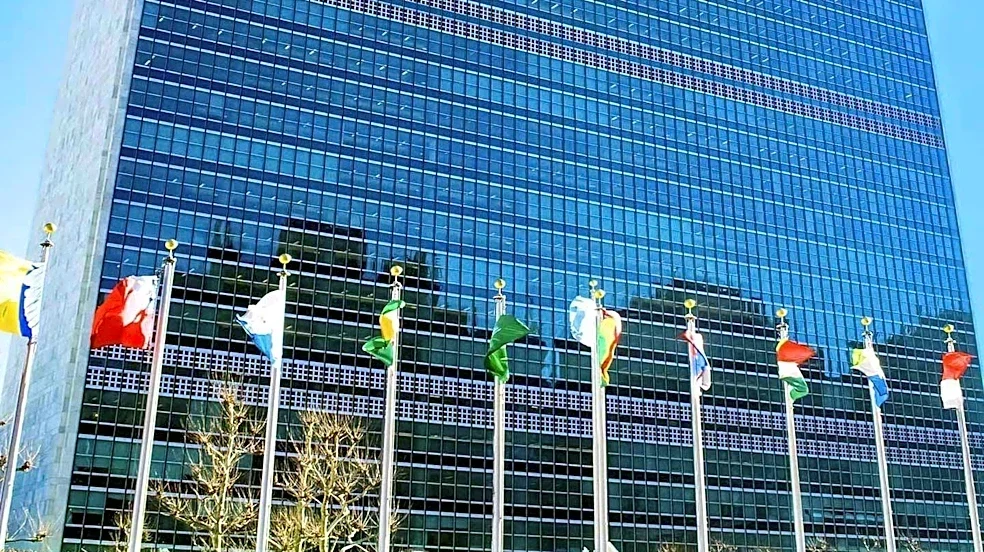
The UN General Assembly adopted the Declaration on the Right to Development in 1986, fundamentally shifting the perception of development from a mere economic process to an inherent human right. This declaration asserts that every individual and all peoples
are entitled to participate in, contribute to, and benefit from development processes. It emphasizes human-centered development, prioritizing well-being, equality, and human dignity over solely economic growth indicators. The declaration outlines duties for both national governments, which must ensure equal opportunities and eliminate barriers like poverty and discrimination, and the international community, which is called upon to cooperate globally to remove development obstacles and reform unjust economic structures. This landmark document creates legal obligations for states and the international community to actively promote and facilitate development.
Why It's Important?
This declaration is crucial because it legally establishes development as a human right, thereby imposing obligations on both national governments and the international community. This framework encourages a more equitable global system where economic, social, and cultural rights, such as access to work, education, healthcare, and an adequate standard of living, are actively pursued through international cooperation. It highlights that many developing nations lack the resources to guarantee these rights independently, making international aid, debt relief, technology transfer, and fair trade practices essential. By recognizing development as a right, the declaration provides a basis for holding states accountable for their development policies and for advocating for systemic changes in global economic structures that often disadvantage poorer states, as critiqued by thinkers like Karl Marx and Vandana Shiva.
What's Next?
The principles established by the Declaration on the Right to Development continue to influence international development goals and initiatives. Frameworks like the Millennium Development Goals (2000-2015) and the Sustainable Development Goals (2015-2030) are direct outgrowths of this recognition, translating abstract rights into measurable targets. Future efforts will likely focus on strengthening international cooperation, ensuring wealthy states meet their aid commitments, and designing development programs that are genuinely participatory and culturally sensitive. Addressing persistent global inequalities and reforming international economic structures will remain key challenges. The ongoing implementation of the Sustainable Development Goals, which include climate action, gender equality, and reduced inequalities, will serve as a barometer for the effectiveness of this human rights approach to development.
Beyond the Headlines
The Declaration on the Right to Development has profound ethical and legal implications, moving beyond traditional notions of charity to establish a framework of entitlement and obligation. It challenges the idea that development is solely an internal matter for nations, instead positing it as a shared global responsibility. This shift can trigger long-term changes in international law and policy, potentially leading to more robust mechanisms for accountability regarding development aid and trade practices. Culturally, it promotes a more holistic view of human progress, integrating environmental sustainability and social justice with economic growth. The declaration also underscores the importance of democratic participation in development processes, empowering communities to shape decisions that affect their lives and fostering a more inclusive global society.