



What's Happening?
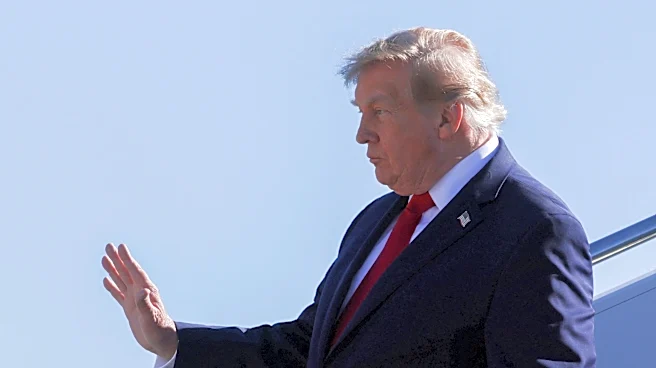
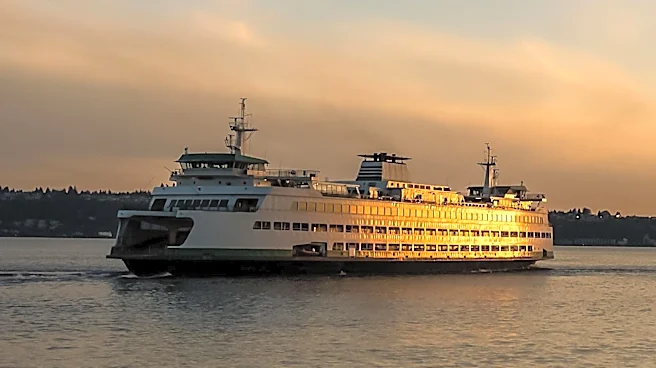
Governor Bob Ferguson has committed to working with the Marine Engineers Beneficial Association (MEBA) to address wage gaps affecting engine room crew at Washington State Ferries (WSF). This commitment follows a growing workforce crisis that has led to significant
service disruptions due to crew call-outs. MEBA, which represents 417 licensed and unlicensed engineers operating and maintaining the WSF fleet, highlighted that uncompetitive compensation and a widening wage gap between deck and engine departments are the root causes of the crisis. Engineers at WSF are reportedly working 84 hours in a seven-day workweek, with many accumulating an additional 500-1,500 hours of overtime annually. Despite these efforts, their wages have fallen 20% below those of their shipmates above deck, forcing some to take second jobs to make ends meet. Governor Ferguson acknowledged the essential role marine engineers play in maintaining the ferry system's operations and safety.
Why It's Important?
The ongoing workforce crisis at Washington State Ferries has significant implications for the thousands of people and businesses in ferry-dependent communities. Reliable ferry service is crucial for daily commutes, commerce, and tourism in these areas. The current situation, characterized by service disruptions and overworked crew members, directly impacts the economic stability and quality of life for residents. If wage disparities are not resolved, WSF risks losing experienced engineers, exacerbating the global marine engineer shortage and further compromising the reliability of the ferry system. Ensuring competitive wages is vital not only for retaining current staff but also for attracting new talent, especially as the fleet transitions to hybrid-electric vessels. The stability of the ferry system is a critical piece of infrastructure for Washington State, and its failure could lead to broader economic and social challenges for the region.
What's Next?
Following Governor Ferguson's commitment, the next steps will likely involve negotiations between MEBA and the state to develop a plan for addressing the wage gaps and improving compensation for engine room crew. These discussions will aim to create a more competitive wage structure that can attract and retain qualified engineers. The union hopes that the state is serious about fixing the system, which would benefit both WSF crew members and the communities reliant on ferry services. The outcome of these talks will determine the future reliability of the Washington State Ferry system and its ability to serve the public effectively. Continued monitoring of the workforce situation and the implementation of any agreed-upon changes will be crucial to prevent further service disruptions.
Beyond the Headlines
The situation at Washington State Ferries highlights a broader issue of labor market dynamics and the valuation of essential services. The disparity in wages between different departments within the same organization, despite similar or even greater workloads, raises questions about internal equity and fair compensation practices. This crisis also underscores the vulnerability of critical public services to workforce shortages, particularly in specialized fields like marine engineering. The long-term implications extend beyond immediate service disruptions, potentially affecting public trust in government-operated services and the overall economic resilience of regions dependent on such infrastructure. Addressing these issues requires a comprehensive approach that considers not only immediate wage adjustments but also long-term workforce planning, training, and retention strategies to ensure the sustainability of vital public transportation systems.