







What's Happening?
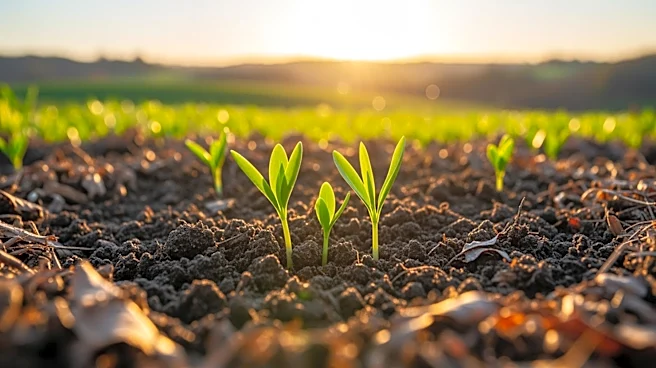
Regenerative agriculture is increasingly being recognized as a sustainable model that reorganizes farming practices to strengthen soil health and expand resilience against climatic challenges. This approach, which has gained traction since the 2010s,
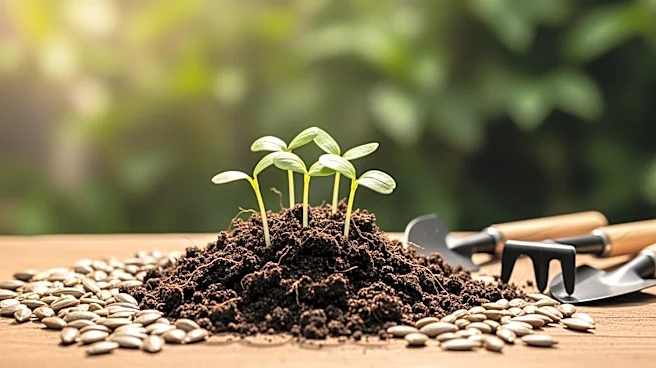
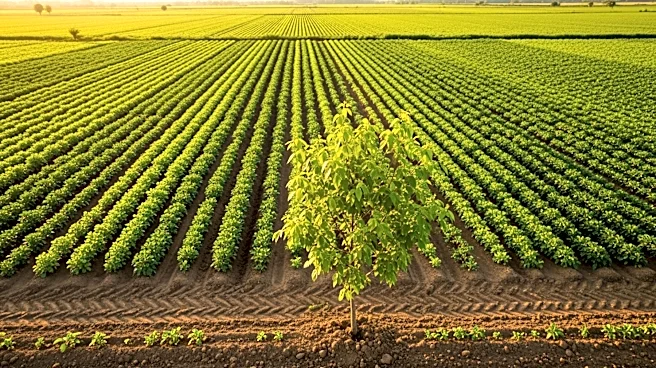
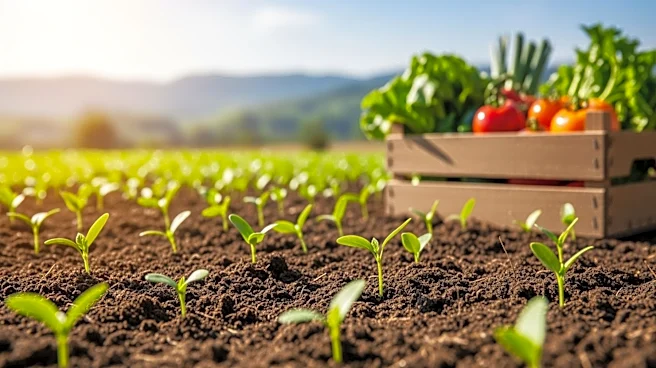
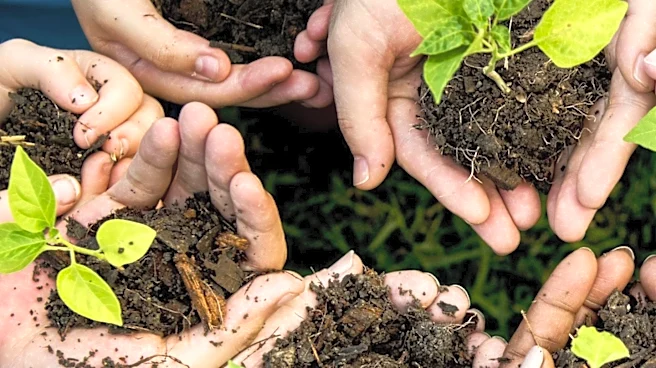
involves treating soil as a living system capable of capturing carbon, retaining water, and sustaining agricultural productivity. The model reduces dependence on chemical inputs and emphasizes natural processes, such as maintaining plant cover to prevent erosion and preserve moisture. An example in Tarragona demonstrates the model's success, producing over 12 million kilograms of vegetables annually without chemical fertilizers. The approach also includes practices like using organic compounds from agricultural waste to enrich soil and employing mechanical techniques for pest control, fostering ecological balance.
Why It's Important?
The significance of regenerative agriculture lies in its potential to mitigate environmental impacts and enhance sustainability in food production. By improving soil health and reducing reliance on agrochemicals, this model supports biodiversity and reduces greenhouse gas emissions. It offers a viable alternative to conventional agriculture, which often contributes to environmental degradation. As climate change intensifies, regenerative practices can help farmers adapt to prolonged droughts and irregular rains, ensuring food security and resilience. The model also promotes autonomy among producers by reducing dependence on large suppliers and external inputs, potentially transforming global agriculture into a more sustainable and inclusive system.
What's Next?
The future of regenerative agriculture depends on its ability to scale and influence global food production. As environmental initiatives and economic incentives advance, this model could become the dominant basis of agriculture worldwide. Stakeholders, including policymakers and agricultural organizations, may focus on promoting these practices through education and support for farmers. The ongoing development of regenerative agriculture could lead to structural changes in the industry, encouraging more sustainable and resilient farming systems. Continued research and collaboration among agricultural experts will be crucial in refining and expanding these practices.