




What's Happening?
A new study is examining how large storms, specifically Hurricane Helene in 2024, contribute to the spread of microplastics in the environment. Researchers from Virginia Tech, led by biologist Austin Gray, were already studying microplastic accumulation
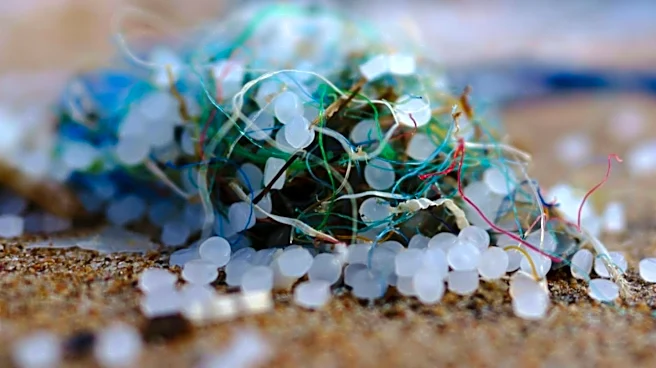
in streams and waterways in western North Carolina when Hurricane Helene, a Category 4 storm, hit the region. This provided a unique opportunity to collect data before, during, and after a major tropical system, a rare occurrence for such studies in the Western Hemisphere. The team utilized collection buckets set up at a biological station in Highlands, North Carolina, where associate director Jason Love processed samples to identify microplastics. During the three days of the storm, researchers observed over 10,000 microplastics per square meter, accounting for approximately 20% of the total microplastics typically collected over an entire year. Microplastics, tiny fragments from larger plastic items like water bottles, shopping bags, and tires, are dispersed by environmental factors including sunlight, wind, and ocean waves, which project them into the atmosphere.
Why It's Important?
This research is crucial for understanding the environmental impact of microplastics, particularly how extreme weather events exacerbate their distribution. The study highlights a significant pathway for microplastic contamination, indicating that major storms act as 'super depositors' of these tiny plastic materials. Given that plastic production continues to increase annually and human-caused climate change is intensifying storms, the problem of microplastic spread is projected to worsen. The findings underscore the need for more comprehensive research into the effects of microplastics on human health, as these particles are found in air, water, and even within human bodies. The study also brings attention to the human-driven nature of the issue, emphasizing that without serious discussions and actions regarding plastic production, single-use plastics, and fast fashion, the environmental burden will continue to grow, impacting ecosystems and potentially human well-being across affected regions.
What's Next?
The researchers emphasize the need for continued and expanded studies to fully grasp the implications of microplastic deposition by storms. Future efforts will likely focus on further understanding the long-term environmental fate of these microplastics and their potential health impacts. This research could inform policy discussions around plastic waste management, storm preparedness, and environmental protection. Stakeholders, including environmental agencies, public health organizations, and policymakers, may use these findings to develop strategies for mitigating microplastic pollution. There could also be increased public awareness campaigns aimed at reducing plastic consumption and promoting sustainable practices. The scientific community will likely pursue more interdisciplinary research, combining meteorology, environmental science, and public health to address the complex challenges posed by microplastics in a changing climate.
Beyond the Headlines
The study's findings extend beyond immediate environmental concerns, touching upon broader societal and ethical dimensions. The identification of storms as significant vectors for microplastic dispersal highlights the interconnectedness of climate change, pollution, and public health. It underscores a global environmental justice issue, as communities affected by severe weather events may also bear a disproportionate burden of microplastic contamination. Ethically, the research calls into question the responsibility of industries producing plastics and the consumption patterns of societies that generate vast amounts of plastic waste. The long-term implications could include shifts in manufacturing practices, increased investment in biodegradable alternatives, and more stringent regulations on plastic use. Culturally, it may foster a greater public understanding of the pervasive nature of plastic pollution and encourage a re-evaluation of consumer habits, pushing for a more sustainable relationship with materials and the environment.