
What's Happening?
Islamic Relief Worldwide is implementing a program in Ethiopia that integrates orphan sponsorship with economic empowerment initiatives. This approach aims to address poverty comprehensively, moving beyond
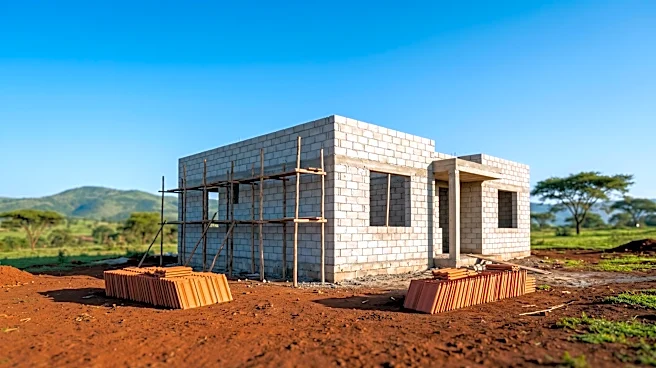
mere survival to foster long-term stability for vulnerable families. The organization's colleagues, Claire and Osob, reported from Ethiopia on the program's impact. They highlighted that while increased income is a crucial aspect, the women participating in the program also emphasized the significant boost in confidence they experienced. One example is Nimco, a widow raising seven children, whose family faced food insecurity after her husband's death. Through the sponsorship program, Nimco received vital support and, recognizing the potential for inflation to diminish cash savings, she strategically invested income from livelihood projects into constructing a new house for rental. This investment is designed to create a sustainable income source for her family for years to come, illustrating the program's focus on empowering beneficiaries to build brighter futures.
Why It's Important?
This initiative by Islamic Relief Worldwide is important because it demonstrates a holistic and sustainable approach to humanitarian aid, particularly in the context of orphan support. Traditional orphan sponsorship often focuses on immediate needs, but by integrating economic empowerment, the program addresses the root causes of poverty and aims for lasting change. This model can serve as a blueprint for other humanitarian organizations seeking to maximize the impact of their aid efforts. Empowering women like Nimco with the confidence and resources to generate sustainable income not only improves their families' immediate well-being but also contributes to the broader economic resilience of their communities. The focus on long-term solutions, such as investing in rental properties, helps mitigate the effects of economic instability, like inflation, ensuring that the benefits of aid are sustained over time. This approach fosters self-sufficiency and reduces dependency on continuous external assistance, promoting dignity and agency among beneficiaries.
What's Next?
The success of Islamic Relief Worldwide's integrated approach in Ethiopia could lead to its replication or adaptation in other regions facing similar challenges. The organization will likely continue to monitor the long-term outcomes of these economic empowerment projects, gathering data on their effectiveness in improving family stability and reducing poverty. This data could inform future program designs and funding strategies, potentially attracting more donors interested in sustainable development. Furthermore, the emphasis on building confidence and self-reliance among beneficiaries suggests a continued focus on capacity building and skill development. The organization may explore expanding its livelihood projects to offer a wider range of income-generating opportunities, tailored to local economic conditions and market demands. Continued reporting from the field, like that from Claire and Osob, will be crucial in sharing insights and demonstrating the program's ongoing impact to a global audience.
Beyond the Headlines
Beyond the immediate benefits of economic stability, this program touches upon deeper societal implications, particularly regarding the empowerment of women in vulnerable communities. By providing women with the means to generate income and make strategic financial decisions, Islamic Relief Worldwide is challenging traditional gender roles and fostering greater autonomy. The emphasis on 'confidence' as a key outcome highlights the psychological and social benefits of economic independence, which can lead to increased participation in community decision-making and improved overall well-being. This initiative also underscores the importance of culturally sensitive aid, where solutions are tailored to the specific needs and contexts of the beneficiaries, rather than imposing one-size-fits-all approaches. The long-term investment in assets like rental properties reflects a forward-thinking strategy that acknowledges the dynamic nature of economic challenges and aims to build resilient households capable of weathering future adversities, thereby contributing to broader community development and stability.