



What's Happening?
Kenya's Ministry of Health has initiated its El Niño preparedness plan across 18 high-risk counties in anticipation of heavy rains expected between October and December. Public Health and Professional Standards Principal Secretary Mary Muthoni announced
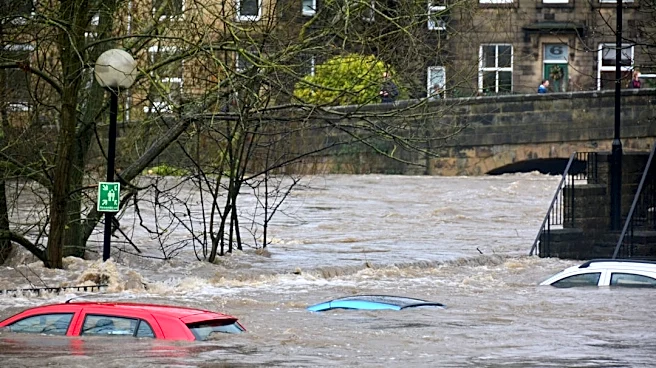
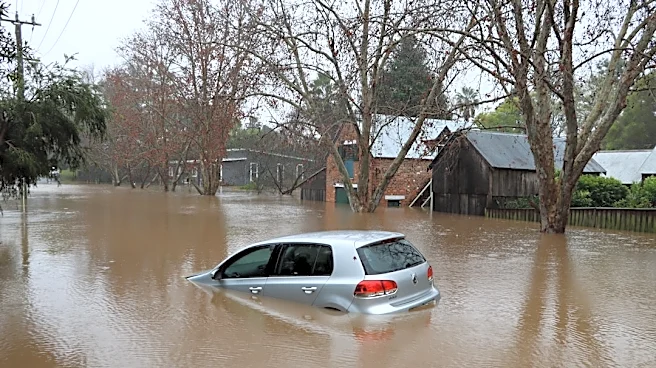
that the ministry is seeking support from development and health partners to bolster the government's response. The primary concern is the potential for increased flooding, displacement, and outbreaks of waterborne and vector-borne diseases such as cholera, typhoid, dysentery, and malaria. The identified high-risk areas include coastal regions (Tana River, Kilifi, Lamu, Mombasa, Kwale), the Lake Basin (Kisumu, Busia, Siaya, Homa Bay, Migori), Rift Valley, and North Eastern regions, with urban centers like Nairobi, Mombasa, and Kisumu also flagged. The ministry is strengthening disease surveillance, emergency response teams, and coordination with county governments and humanitarian partners. This proactive measure follows significant flooding during the 2023 El Niño season, which affected 43 counties, displaced over 93,000 households, and resulted in 120 deaths, exposing vulnerabilities in the health system.
Why It's Important?
This preparedness plan is crucial for mitigating a potential public health crisis in Kenya. Heavy rainfall and subsequent flooding can severely disrupt access to healthcare, isolate communities, and contaminate water sources, leading to a surge in waterborne diseases. The distribution of 10 million treated mosquito nets is a vital step in preventing malaria, a vector-borne disease that thrives in stagnant water conditions created by floods. The collaboration with development and health partners is essential for mobilizing resources, expertise, and medical supplies to areas that may become inaccessible. Without such a comprehensive plan, the health system could be overwhelmed, leading to increased morbidity and mortality, particularly among vulnerable populations. The lessons learned from the 2023 El Niño season underscore the importance of early intervention to protect public health and ensure the continuity of essential health services during emergencies.
What's Next?
The Ministry of Health will continue to coordinate with county governments and humanitarian partners to implement the El Niño preparedness plan. This includes pre-positioning essential medicines and health commodities in high-risk areas, preparing rapid response teams, and strengthening referral and emergency transport systems. The government also plans to distribute 10 million treated mosquito nets starting in November, targeting over four million individuals vulnerable to malaria. Additionally, the Kenya Public Health International Conference (KEPHIC) 2026, scheduled for October 27-29, will serve as a platform for health-sector stakeholders to review past emergency lessons and enhance partnerships for preparedness and response. Public Health and Professional Standards Principal Secretary Mary Muthoni has also proposed a Cabinet memorandum for a monthly national cleanliness day, aiming to reduce waste accumulation and blocked drainage systems ahead of the heavy rains.
Beyond the Headlines
The activation of this El Niño preparedness plan highlights a broader shift towards proactive disaster management and public health resilience in Kenya. Beyond immediate disease prevention, the initiative addresses systemic vulnerabilities in the healthcare infrastructure, particularly in the face of climate change-induced extreme weather events. The emphasis on community-level action, such as the proposed national cleanliness day, reflects an understanding that public health outcomes are deeply intertwined with environmental sanitation and community engagement. This comprehensive approach, integrating health, environmental, and social strategies, could serve as a model for other regions grappling with similar climate-related health challenges. The long-term success of these efforts will depend on sustained funding, robust inter-agency coordination, and continuous public education to foster a culture of preparedness and hygiene.