





What's Happening?
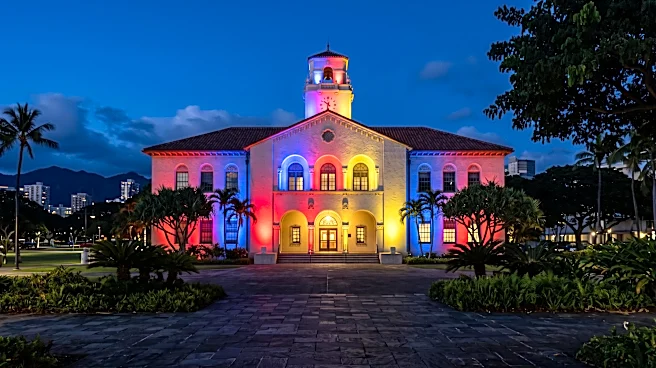
Honolulu is celebrating Filipino American History Month throughout October, culminating in the illumination of Honolulu Hale, the Neal S. Blaisdell Center, and Kapolei Hale in the colors of the Philippine flag—red, blue, and yellow—from tonight through sunrise
on October 28. Mayor Rick Blangiardi presented a proclamation to Consul General of the Philippines Arman Talbo during a ceremony at Mission Memorial Auditorium, joined by members of the Honolulu City Council. The Philippine flag was also raised outside Honolulu Hale for the day. Filipino American History Month honors the rich history, culture, and achievements of Filipino Americans, who constitute one of Hawaii’s largest ethnic groups. This year marks the 80th anniversary of U.S.-Philippines relations, though Filipino-Hawaii history predates this, with the first recorded Filipinos arriving in what is now the continental United States on October 18, 1587, in Morro Bay, California.
Why It's Important?
This celebration is important as it formally recognizes and honors the significant contributions of Filipino Americans to Hawaii and the broader United States. Filipino Americans are one of Hawaii's largest ethnic groups, and their historical presence dates back centuries, enriching communities across the state and nation. The illumination of prominent city landmarks in the colors of the Philippine flag serves as a visible symbol of appreciation and inclusion, fostering a sense of belonging for the Filipino American community. This event also educates the public about the long-standing history of Filipinos in the U.S., highlighting their enduring legacy and cultural impact. By acknowledging this history, the city reinforces its commitment to diversity and cultural understanding, promoting a more inclusive civic environment.
What's Next?
The annual observance of Filipino American History Month is expected to continue, likely with similar ceremonies and public displays of recognition in future years. Such events often lead to increased community engagement and educational initiatives aimed at further exploring Filipino American history and culture. The ongoing recognition by city officials and public institutions can encourage greater participation from Filipino American community organizations in civic life and cultural preservation efforts. It may also inspire other cities and states with significant Filipino American populations to adopt similar celebratory practices, further solidifying the recognition of this community's contributions at a national level. The focus on the 80th anniversary of U.S.-Philippines relations also suggests continued diplomatic and cultural exchanges between the two nations.
Beyond the Headlines
Beyond the ceremonial aspects, the recognition of Filipino American History Month delves into deeper themes of identity, immigration, and cultural integration. The historical context, particularly the arrival of Filipinos in 1587, underscores the long and complex narrative of immigration to the United States, predating many commonly recognized historical milestones. This acknowledgment challenges simplified narratives of American history and highlights the diverse origins of the nation's population. The celebration also serves as a powerful affirmation for younger generations of Filipino Americans, providing role models and a sense of pride in their heritage. It encourages a broader societal understanding of how various immigrant groups have shaped the American cultural landscape, fostering a more nuanced and inclusive national identity. The event implicitly promotes the idea that cultural diversity is a strength, contributing to the richness and vibrancy of American society.