





What's Happening?
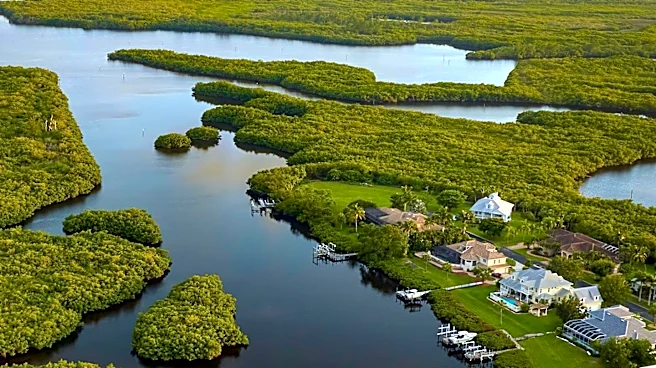
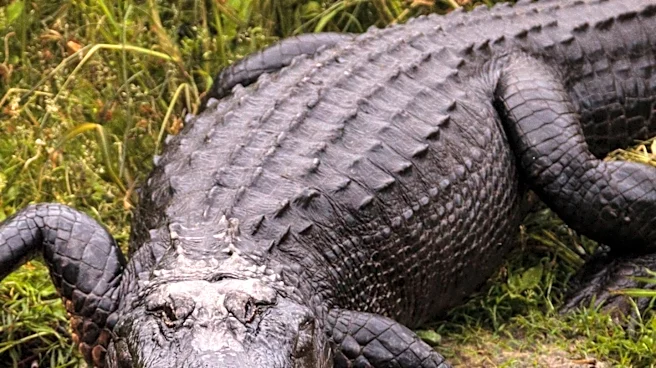
The South Florida Detention Center, colloquially known as 'Alligator Alcatraz,' is set to close following a federal judge's order. The facility, located in the Big Cypress National Preserve, has been the subject of legal challenges due to its environmental
impact and alleged inhumane conditions. Governor Ron DeSantis announced the closure, stating that the center had fulfilled its mission of increasing detention capacity and aiding in deportations. However, environmental groups and the Miccosukee tribe successfully argued that the center violated the National Environmental Policy Act, leading to a court order to dismantle the facility. The center, which housed up to 21,000 detainees, faced criticism for high costs and poor conditions.
Why It's Important?
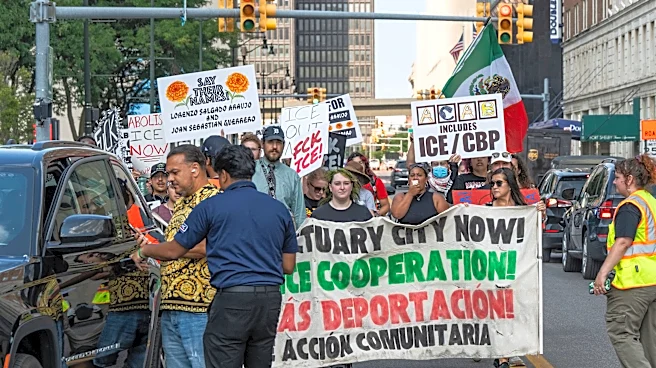
The closure of 'Alligator Alcatraz' highlights ongoing tensions between immigration enforcement and environmental protection. The facility's shutdown underscores the legal and ethical challenges of balancing immigration policies with environmental laws. The decision also raises questions about the future of immigration detention in Florida, as the state grapples with the need for facilities that comply with legal standards. The case reflects broader national debates on immigration policy, environmental conservation, and the treatment of detainees, potentially influencing future policy decisions and legal frameworks.
What's Next?
With the closure of 'Alligator Alcatraz,' Florida may need to explore alternative detention solutions that align with environmental and legal standards. The state could face pressure to develop new facilities that address the criticisms faced by the current center. Additionally, the legal precedents set by this case may impact future immigration detention projects across the U.S., prompting a reevaluation of how such facilities are planned and operated. Stakeholders, including environmental groups and immigrant rights advocates, are likely to continue monitoring and challenging similar projects.