



What's Happening?
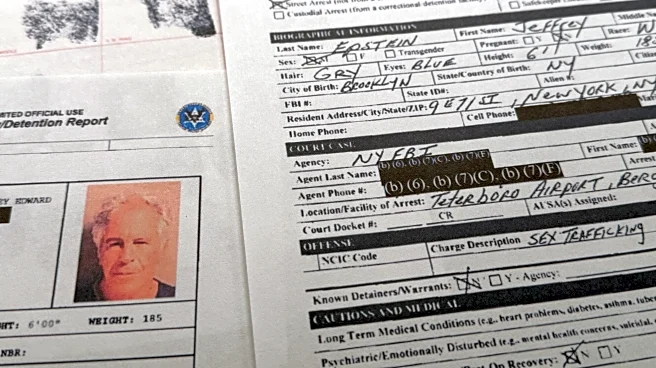
The release of Epstein files has sparked significant attention, particularly due to the partial nature of the documents and the criticism directed at the Trump Department of Justice (DOJ) for its handling of the case. Maria Farmer, a survivor of Epstein's
abuse, expressed mixed emotions over the release, feeling both joy for the acknowledgment of her claims and sorrow for other victims. Farmer's 1996 complaint to the FBI alleged that Epstein had stolen and sold photos of her sisters, which she believes could have halted his operations if acted upon. The files include redacted telephone records and photographs, but the lack of full disclosure has led to public scrutiny over the DOJ's past actions.
Why It's Important?
The release of these files is crucial as it highlights the ongoing quest for justice by Epstein's victims and the scrutiny of law enforcement's past failures. The partial release has reignited discussions about accountability within the DOJ, particularly during President Trump's administration, and the broader implications for how high-profile cases are managed. This situation underscores the need for transparency and thorough investigations in cases involving influential figures, as well as the potential systemic issues within federal agencies that may have allowed Epstein's activities to continue unchecked for years.
What's Next?
The release of these files may lead to further legal actions or investigations into the DOJ's handling of the Epstein case. Victims and their legal teams are likely to continue pushing for full transparency and accountability. Additionally, there may be increased pressure on current DOJ officials to review past decisions and ensure that similar oversights do not occur in future cases. Public and media scrutiny will likely persist, potentially influencing policy changes or reforms within federal law enforcement agencies.