







What's Happening?
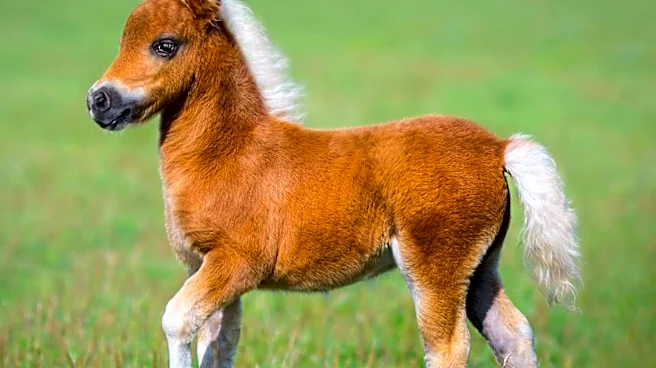
A Newton, Massachusetts, resident, Judy Hinchey, is preparing to appeal a city ruling that classifies her pet miniature horse, Clover, as a 'large animal.' This classification prevents her from keeping Clover in her backyard due to local regulations requiring
large animals' manure to be stored at least 100 feet from property lines. Hinchey argues that a miniature horse should be considered a 'small animal,' which would only necessitate a 10-foot setback for manure storage. She invested $100,000 of her savings into building facilities for Clover, believing she was adhering to city guidelines, and claims other city departments initially supported her interpretation by issuing permits for the infrastructure. The dispute escalated following neighbor complaints about the smell of manure, leading to the denial of her license by Newton’s health and human services commissioner. The city's decision states that a miniature horse, being a breed of horse, falls under the 'large animal' category according to regulations.
Why It's Important?
This case highlights a significant conflict between municipal animal control regulations and individual pet ownership, particularly concerning less common pets like miniature horses. The interpretation of what constitutes a 'large animal' has direct financial and personal consequences for owners, as demonstrated by Hinchey's $100,000 investment. It also brings to light potential inconsistencies in how different city departments interpret and enforce regulations, leading to confusion and substantial costs for residents. The outcome of this appeal could set a precedent for how miniature horses and similar animals are classified in urban and suburban environments, potentially influencing zoning laws and animal welfare ordinances across other U.S. municipalities. Furthermore, it underscores the importance of clear and consistent regulatory definitions to prevent such disputes and protect both property owners and animal welfare.
What's Next?
Judy Hinchey plans to appeal the city's ruling to a superior court, challenging the classification of her miniature horse, Clover, as a 'large animal.' The city has given her 21 days to remove Clover from her property. Hinchey has indicated that she has garnered support and is prepared to pursue legal action to fight the decision. The upcoming court proceedings will focus on the legal interpretation of 'miniature horse' within Newton's municipal code and whether the city's health and human services commissioner's decision was appropriate. The court's ruling could either uphold the city's classification, forcing Hinchey to relocate Clover, or side with Hinchey, potentially requiring the city to re-evaluate its animal classification regulations. This case may also prompt other municipalities to review and clarify their own ordinances regarding exotic or unconventional pets.
Beyond the Headlines
Beyond the immediate legal battle, this situation touches upon broader societal shifts in pet ownership and the evolving relationship between humans and animals. As more diverse animals are kept as pets, municipalities face increasing challenges in adapting outdated regulations. The case of Clover could spark a wider debate on the need for more nuanced animal classification systems that consider factors beyond just species, such as size, temperament, and specific care requirements. It also raises questions about the balance between individual property rights, animal welfare, and community concerns like odor and sanitation. The public's reaction and support for Hinchey suggest a growing sentiment that regulations should be flexible enough to accommodate responsible pet ownership, even of non-traditional animals, provided they do not pose a genuine threat or nuisance to the community.