



What's Happening?
Woon Kitchen, a Pasadena-based restaurant, has announced its participation in supporting a national strike against the U.S. Immigration and Customs Enforcement (ICE) by donating a portion of its proceeds. Although the restaurant is unable to close its doors
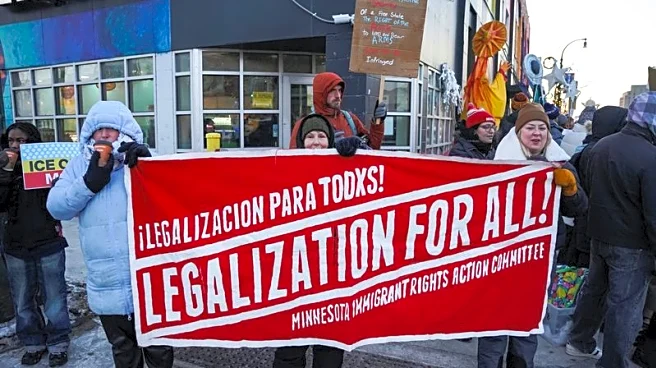
during the strike, it is contributing financially to the cause. This initiative is part of a broader movement where various businesses and organizations are taking a stand against ICE policies. The strike aims to draw attention to and protest against the treatment of immigrants and the enforcement practices of ICE. Nicole Comstock reports on the restaurant's decision to support the strike through financial contributions, highlighting the growing trend of businesses engaging in social and political issues.
Why It's Important?
The decision by Woon Kitchen to donate proceeds to the national strike against ICE underscores a significant trend of businesses taking active roles in social and political movements. This action reflects a broader societal shift where companies are increasingly expected to align with social justice causes and demonstrate corporate responsibility. By supporting the strike, Woon Kitchen is not only contributing to the financial resources needed for advocacy but also raising awareness among its patrons and the community. This move could influence other businesses to consider their roles in social issues, potentially leading to a larger collective impact. The restaurant's involvement highlights the intersection of commerce and activism, where businesses leverage their platforms to support causes that resonate with their values and customer base.
What's Next?
As Woon Kitchen and other businesses continue to support the national strike against ICE, it is likely that more companies will evaluate their positions on social and political issues. This could lead to increased participation in similar movements, potentially amplifying the impact of such strikes. The response from the public and other stakeholders will be crucial in determining the effectiveness of these actions. Additionally, the ongoing dialogue around immigration policies and enforcement practices may see further developments as advocacy groups and businesses push for reform. The involvement of businesses in these discussions could influence policy changes and encourage a more comprehensive approach to addressing immigration issues.