



What's Happening?
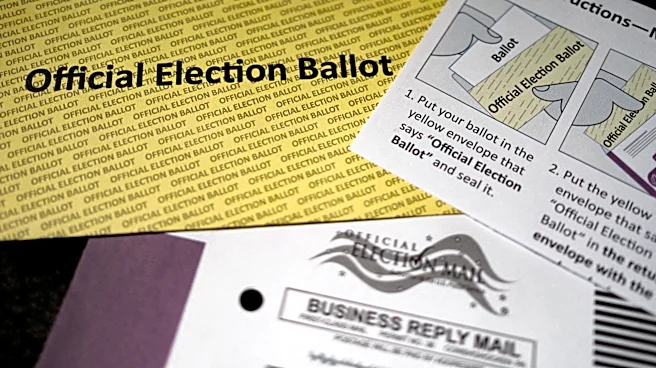
Washington State experienced a significant increase in uncounted late ballots during its recent primary election, with over 20,000 ballots rejected due to late arrival, a 32% jump from 2024. This issue is attributed to changes in U.S. Postal Service (USPS)
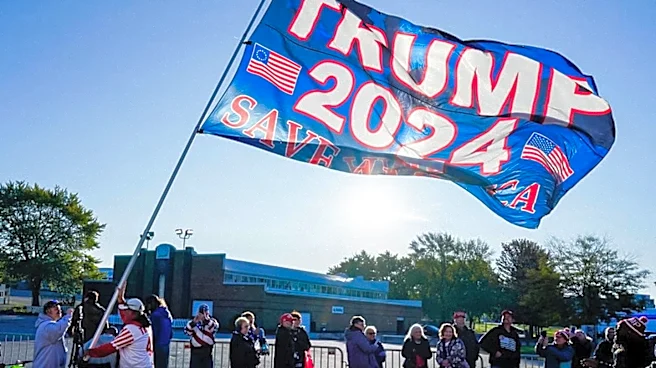
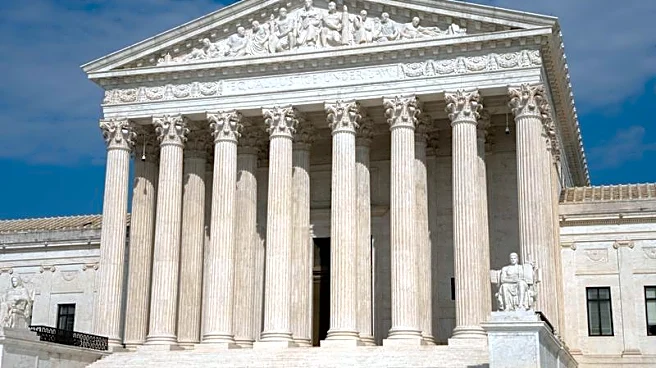
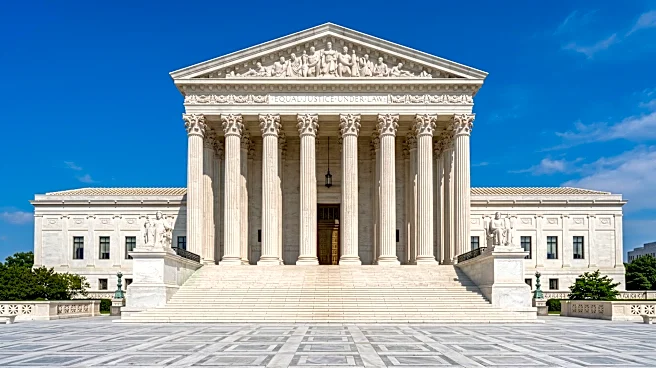
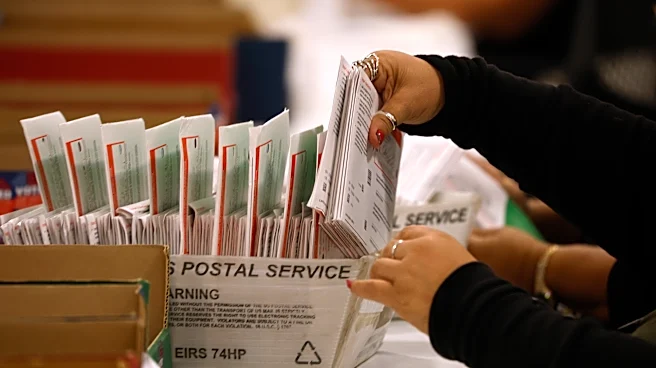
policies, including a rule stating that a mailpiece's postmark date does not necessarily align with the date of acceptance. Election officials, including Washington Secretary of State Steve Hobbs and U.S. Senator Maria Cantwell, have raised concerns that reduced service and distant processing centers are causing delays, particularly impacting rural counties where ballot drop box access is limited. These officials are urging voters to use drop boxes or mail ballots at least a week before Election Day. The state is also engaged in litigation with the Trump administration over its mail-in ballot system, with the administration seeking tighter federal control through the Postal Service. A federal judge has temporarily blocked these federal moves, but the case is expected to reach the U.S. Supreme Court.
Why It's Important?
The rising number of uncounted ballots in Washington State highlights a critical challenge to voter participation and election integrity, particularly as the general election approaches. The dispute between Washington State and the Trump administration over mail-in ballot regulations underscores a broader national tension regarding election administration and federal versus state control. If the federal government's efforts to tighten control over mail-in ballots are upheld by the Supreme Court, it could create significant disruptions and 'chaos' for the upcoming midterms, as stated by state officials. This situation disproportionately affects rural voters who rely more on mail services due to limited access to drop boxes, potentially disenfranchising a segment of the electorate. The integrity of the mail-in voting system is crucial for states like Washington, which have long relied on it, and any changes could undermine public confidence in election outcomes.
What's Next?
Washington State is awaiting a ruling from a federal judge in Seattle regarding the Trump administration's request for the state's voter rolls. Concurrently, the litigation concerning the future of Washington's mail-in ballot system is likely to proceed to the U.S. Supreme Court, with a decision potentially impacting the upcoming general election. State election officials, including Secretary Hobbs, are continuing efforts to educate voters on the importance of early ballot returns and the use of drop boxes, having allocated significant funds for this purpose and for reimbursing counties for new drop boxes and reprinted ballot envelopes. The first ballots for the November 3 general election are expected to be mailed to voters on October 16. Tensions between state and federal governments are anticipated to escalate as Election Day draws nearer, especially with reported increases in voter fraud investigations by the U.S. Department of Homeland Security in Washington and other states.
Beyond the Headlines
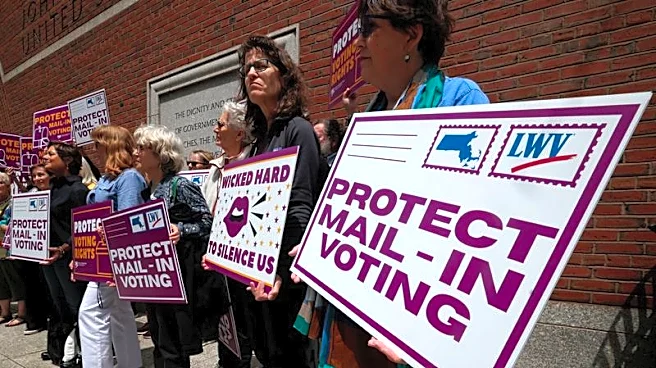
The ongoing challenges with uncounted ballots and the legal battles over mail-in voting in Washington State reveal deeper implications for democratic processes and voter access. The debate extends beyond mere logistical issues, touching upon the fundamental right to vote and the mechanisms designed to ensure fair and accessible elections. The rural-urban divide in ballot rejection rates suggests an equity issue, where geographical location and access to infrastructure (like drop boxes) can significantly impact a citizen's ability to have their vote counted. This situation could lead to increased calls for federal oversight or, conversely, stronger state protections for voting rights, depending on the outcomes of the legal challenges. The politicization of the Postal Service's role in elections also raises concerns about the neutrality of essential public services and their potential impact on democratic outcomes, fostering distrust in the electoral system.