





What's Happening?
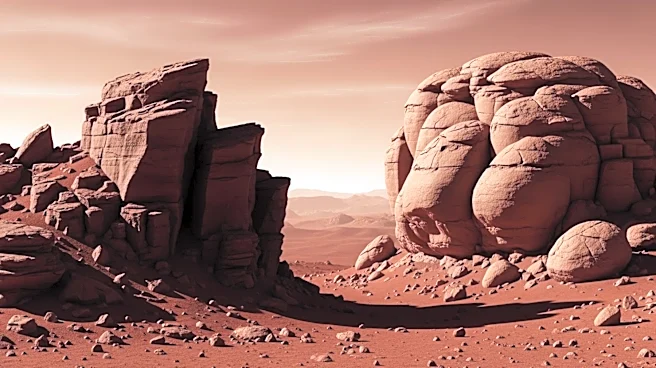
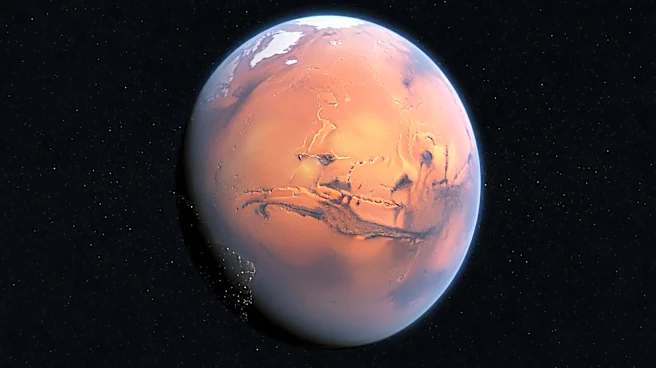
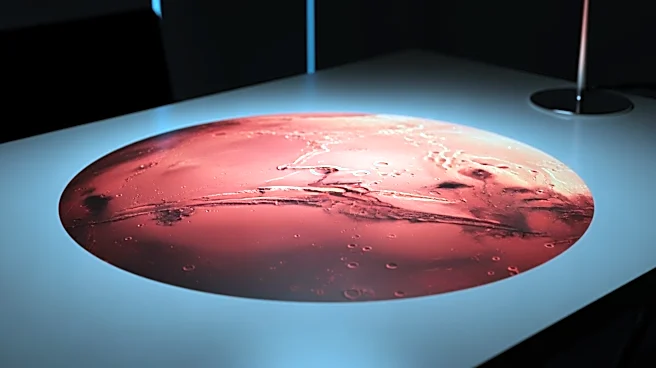
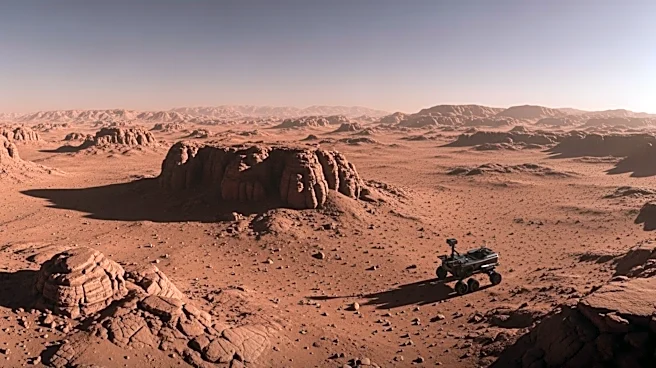
NASA has unveiled new panoramic images of Mars captured by its Curiosity and Perseverance rovers, showcasing the planet's surface evolution over billions of years. These images, composed of hundreds of individual photos, reveal contrasting landscapes
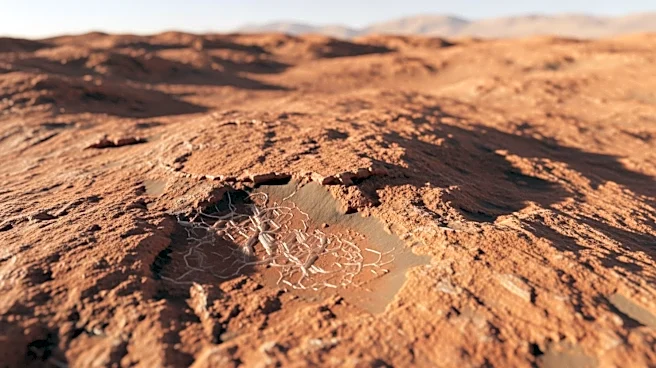
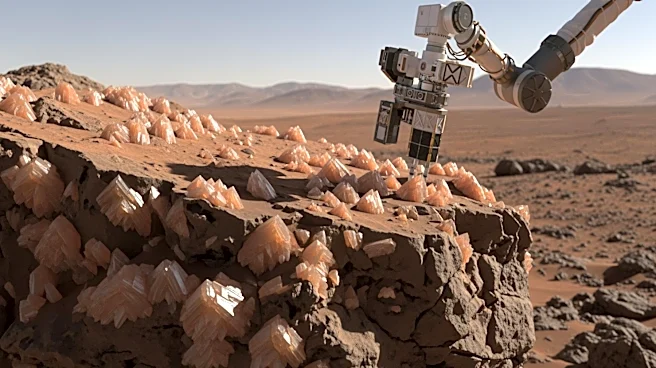
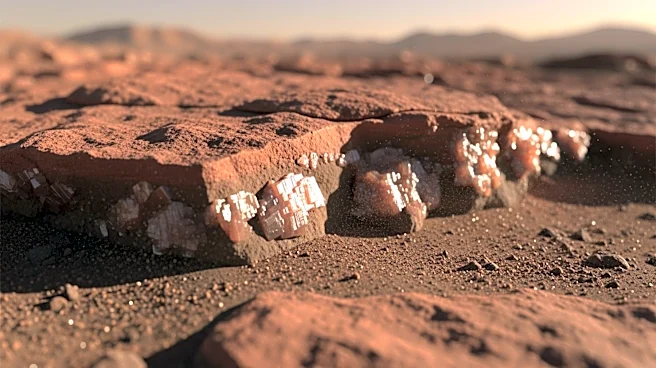
that provide insights into Mars' geological history. The Perseverance rover's panorama focuses on the 'Lac de Charmes' area near Jezero Crater, highlighting terrain shaped by ancient water bodies. Meanwhile, Curiosity's images from Gale Crater reveal 'boxwork' formations, created by groundwater moving through bedrock fractures. These panoramas serve as natural records, preserving evidence of ancient environments and aiding scientists in reconstructing Mars' past.
Why It's Important?
The release of these panoramic images is significant as it enhances our understanding of Mars' geological history and its potential to have supported life. By comparing regions influenced by surface water with those shaped by subsurface processes, scientists can better understand the planet's environmental evolution. The findings from these rovers contribute to the broader goal of determining Mars' habitability in the past. This research not only advances planetary science but also informs future exploration missions, potentially guiding the search for signs of past life on Mars.
What's Next?
Both the Curiosity and Perseverance rovers will continue their missions on Mars, exploring new terrains and gathering more data. Curiosity is set to investigate a mountain layer rich in sulfates, while Perseverance will move towards areas with exceptionally old terrain. These ongoing explorations are expected to yield further discoveries about Mars' geological and environmental history, providing valuable information for future manned missions to the planet.