


What's Happening?
A new survey of animal behavior researchers, conducted by Pietro Pollo and Michael Kasumovic of the University of New South Wales in Sydney, Australia, indicates a significant bias in scientific study towards birds and mammals. The survey, involving 868
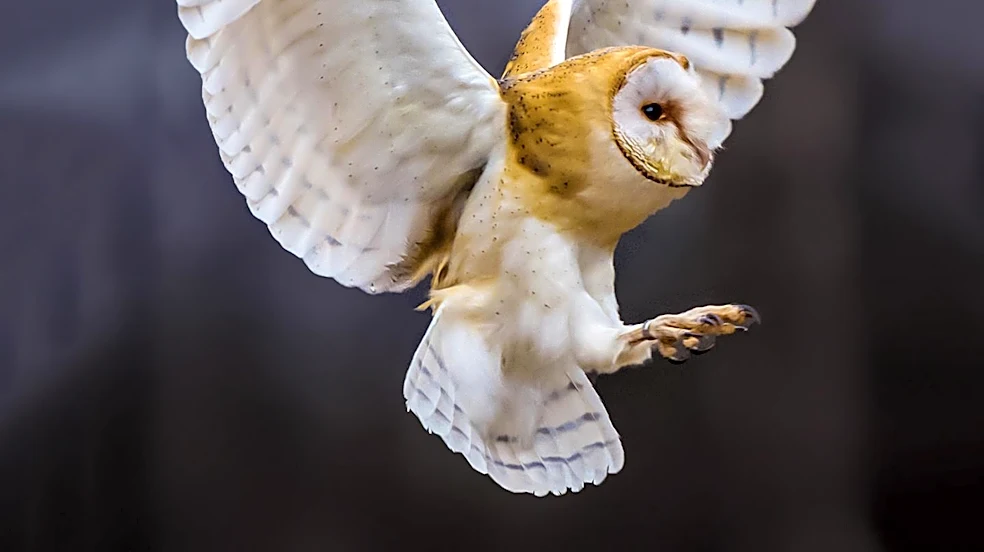
researchers, found that scientists are more likely to study animals they personally like, rather than those that are easier to work with or more representative of the animal kingdom's diversity. Despite vertebrates, which include birds and mammals, making up less than 5% of all described animal species (birds and mammals alone constitute under 1%), they are featured in over half of ecology and evolution papers. This disproportionate focus has remained consistent since the early 2000s. The researchers noted that while convenience might influence which specific bird a scientist studies, it does not determine whether they study birds at all. Furthermore, animals perceived as 'cute' or familiar, such as those often seen in nature documentaries like polar bears and lions, receive the most research interest and funding.
Why It's Important?
This research bias has profound implications for conservation efforts and our overall understanding of the natural world. When the majority of scientific attention is directed towards a small fraction of animal species, the vast majority remain poorly understood. This lack of knowledge can lead to critical gaps in data regarding their populations, behaviors, and conservation status, potentially allowing species to decline unnoticed. Invertebrates, for instance, face severe threats but are significantly underfunded and underrepresented in conservation tracking lists. The skewed research focus can also lead to inaccurate broad claims about animal behavior, as findings from a limited set of species may not apply universally. This imbalance hinders the discovery of novel biological insights, as potentially groundbreaking findings could emerge from currently ignored organisms. The study highlights that scientific choices are influenced by personal feelings and established academic traditions, rather than purely objective criteria.
What's Next?
The authors, Pollo and Kasumovic, propose several strategies to address this research imbalance. They advocate for increased outreach and educational initiatives, starting from early childhood, to broaden public and scientific interest in a wider range of animal life. They also suggest that universities and funding bodies should prioritize neglected animal groups in hiring decisions and grant allocations to encourage more diverse research. Additionally, they point to citizen science platforms like iNaturalist as tools that can help researchers identify common species in their local environments, potentially inspiring studies on less-charismatic animals. The next step in understanding this phenomenon would involve long-term studies tracking students from their initial exposure to various animals to their eventual research choices, to determine if early engagement with neglected species can shift future scientific focus.
Beyond the Headlines
The study uncovers a deeper issue within scientific culture: the perpetuation of biases through academic mentorship and established norms. Many early-career scientists do not independently choose their study animals; instead, their choices are often guided by supervisors or collaborators who have already established research programs around certain species. This creates a cycle where popular 'model organisms,' even if not officially recognized, continue to be studied, reinforcing the imbalance. The authors suggest that the label of 'model organism' itself can arbitrarily elevate certain species, and its use should be reconsidered in ecology and evolution. This phenomenon extends beyond mere scientific preference, touching upon ethical considerations of resource allocation and the responsibility of the scientific community to ensure comprehensive knowledge of biodiversity, especially in an era of rapid environmental change and species loss.