




What's Happening?
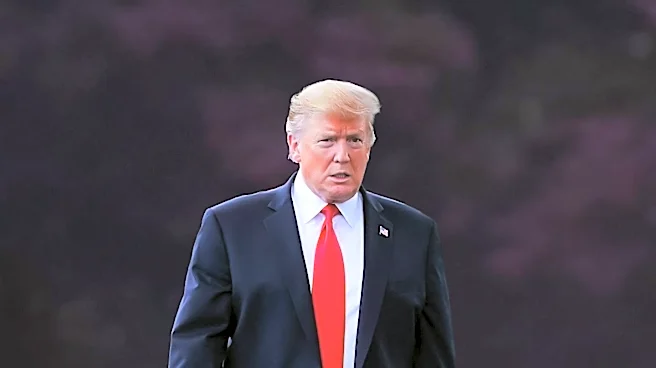
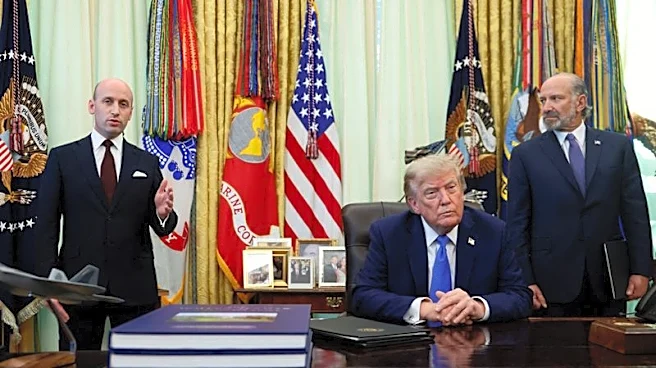
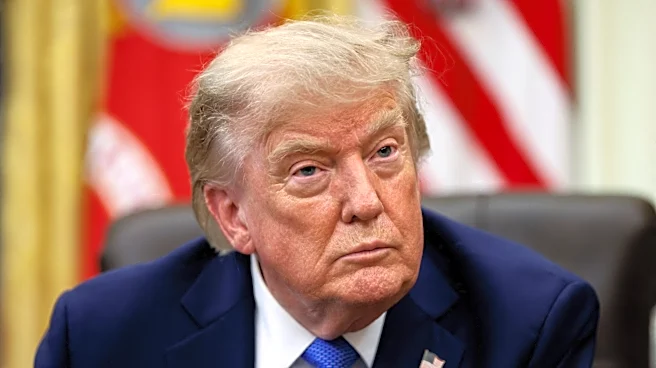
President Trump has recently signed several executive orders, including those on childhood vaccine recommendations and birth tourism. These actions have reignited discussions about the scope and limitations of presidential power. Executive orders are
directives from the president to federal agencies, but they are not laws and must be based on constitutional or statutory authority. Courts can review and potentially block executive orders if they exceed presidential authority or conflict with existing laws.
Why It's Important?
The use of executive orders by President Trump illustrates the balance of power between the executive branch and other government branches. While executive orders can significantly impact federal policy, they are subject to judicial review and can be overturned if deemed unconstitutional. This dynamic is crucial in maintaining the separation of powers and ensuring that presidential actions align with legal frameworks. The ongoing legal challenges to Trump's orders, such as those related to mail-in voting, demonstrate the judiciary's role in checking executive power.
What's Next?
The administration has sought Supreme Court intervention in cases challenging Trump's executive orders. The outcomes of these legal battles will set precedents for future executive actions and clarify the boundaries of presidential authority. As the courts continue to evaluate these orders, the decisions will influence how future presidents utilize executive orders and the extent to which they can shape policy unilaterally.