






What's Happening?
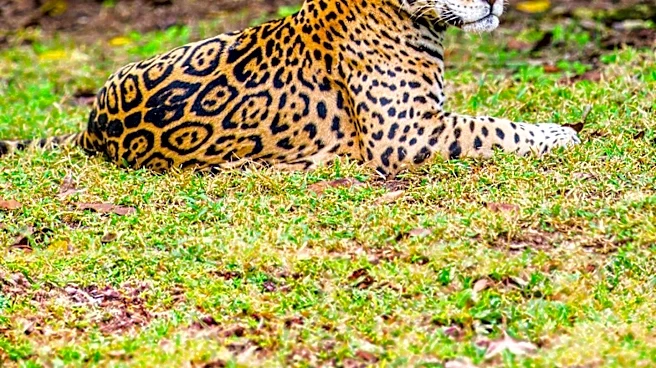
Indigenous communities of the Colombian Eastern Tukano, residing in the Amazon rainforest, continue to uphold their spiritual and cultural traditions centered around jaguar shamans, also known as payés. These shamans are considered experts in healing
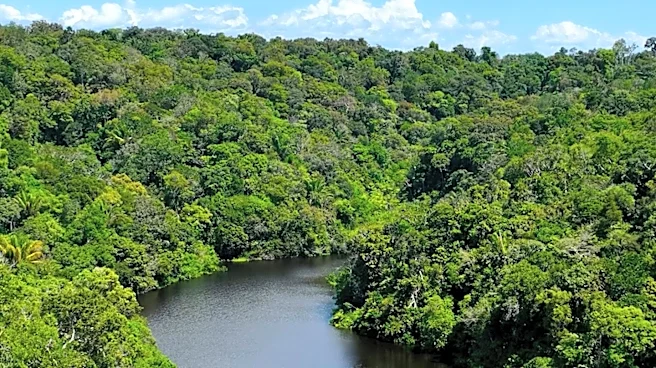
and act as intermediaries between humans and animals. Their rituals often involve blowing tobacco smoke and consuming hallucinogenic substances like yagé and coca. While most shamans are men, women's abilities to menstruate and give birth are seen as equivalent to male shamanic powers. Shamans can use their powers for good, such as curing illness, or for ill, causing chaos. The communities believe shamans can transform into jaguars, and during ceremonies, they wear jaguar skins and necklaces made of jaguar teeth. The Yuruparí macro territory, spanning 8.5 million acres across Colombia and Brazil, is home to 63 indigenous communities and 34 languages, with approximately 6,000 inhabitants.
Why It's Important?
The preservation of these indigenous shamanic traditions is crucial for maintaining the cultural and ecological diversity of the Amazon rainforest. The deep connection between the Eastern Tukano people, their shamans, and the natural environment, particularly the jaguar, highlights a sustainable way of life that has existed for centuries. This knowledge, recognized by UNESCO in 2011 as Intangible Cultural Heritage, offers valuable insights into balanced human-nature relationships, which are increasingly relevant in an era of environmental degradation. The continued practice of these rituals and beliefs helps safeguard unique linguistic and cultural heritage, providing a counter-narrative to the dominant commercial exploitation of the Amazon. The Association of Indigenous Captains and Authorities of the Pirá Paraná represents these communities, advocating for their rights and the protection of their ancestral lands and practices.
What's Next?
The ongoing efforts by indigenous communities, supported by organizations like the Association of Indigenous Captains and Authorities of the Pirá Paraná, will focus on further protecting their traditional knowledge and territories. This includes continued engagement with the Colombian government to ensure their rights are respected and their lands are shielded from external pressures. The recognition by UNESCO provides a platform for international support and awareness, which can aid in conservation efforts. Future initiatives may involve educational programs to share their wisdom on sustainable living and ecological balance, while carefully managing external contact to preserve their cultural integrity. Research expeditions will likely continue to document the region's biodiversity, potentially fostering further collaboration between scientists and indigenous knowledge holders.
Beyond the Headlines
The resilience of the Eastern Tukano communities in preserving their shamanic traditions despite historical persecution and external influences underscores the profound human need for spiritual connection and cultural identity. The concept of shamans embodying both power and danger, and their interchangeable relationship with the jaguar, reflects a complex worldview that acknowledges the dualities of nature and human existence. This perspective offers a stark contrast to modern anthropocentric views, emphasizing interconnectedness and reciprocity with the natural world. The historical tension surrounding the Yuruparí flutes, initially controlled by women before men 'stole' them, reveals deeper narratives about gender roles and power dynamics within these societies, providing a rich area for anthropological study and understanding of cultural evolution.