





What's Happening?
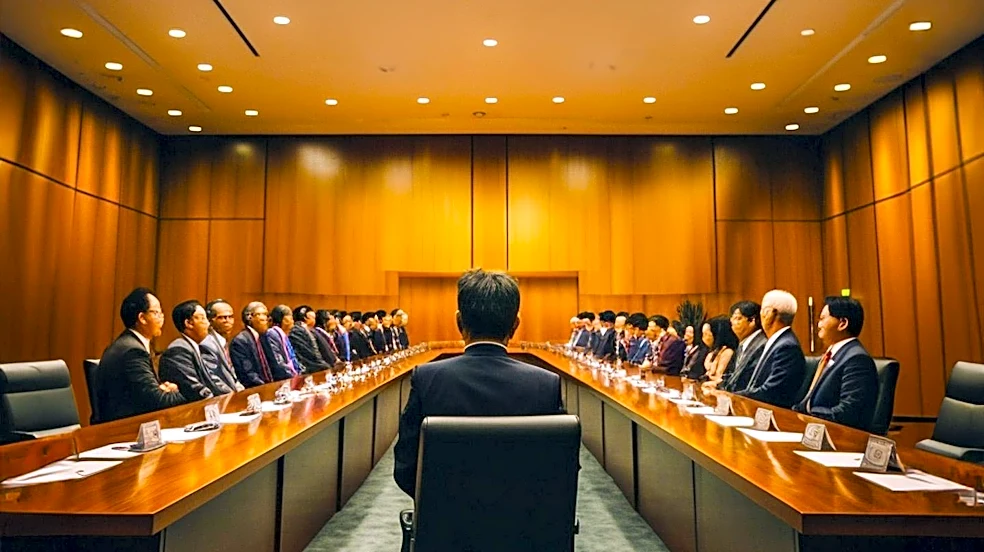
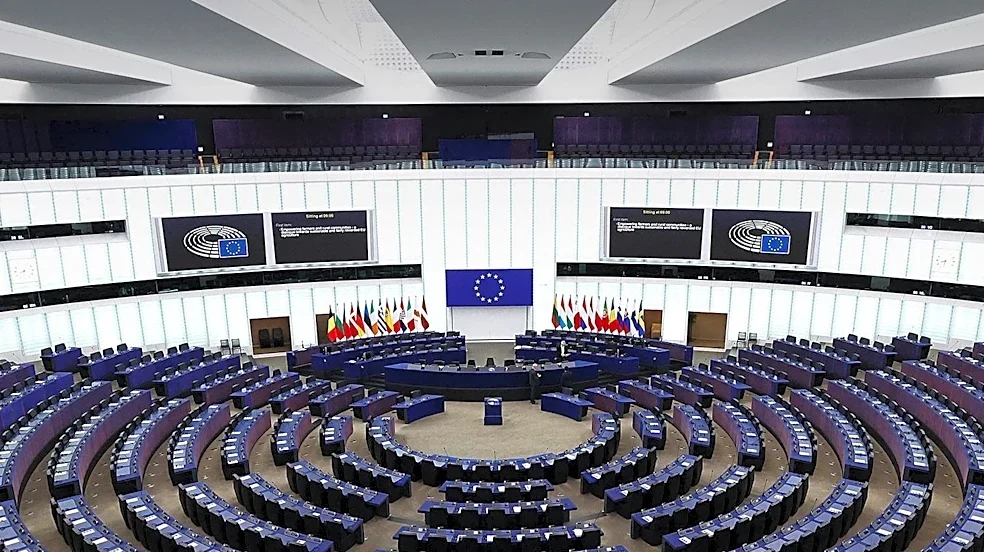
A joint European-Gulf statement, issued in Brussels at the conclusion of the second conference of heads of legislative councils of the European Parliament and the Gulf Cooperation Council (GCC), highlighted the critical importance of energy security and the diversification
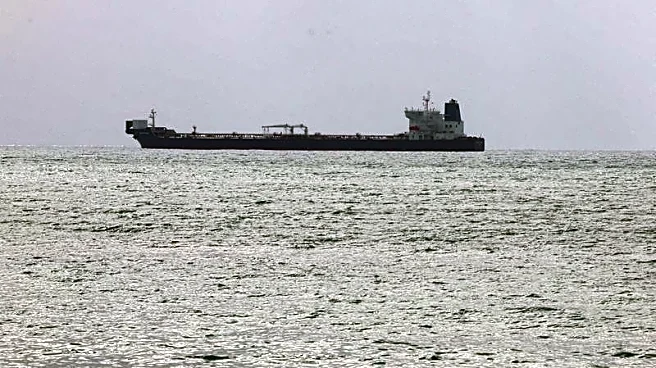
of energy sources. The statement stressed that these elements are fundamental to consolidating economic stability and supporting sustainable development. Participants called for enhanced Gulf-European cooperation to ensure reliable and sustainable energy supplies, develop infrastructure, improve interconnection, and expand partnerships in modern technologies. The statement also addressed challenges in energy markets and disruptions affecting supplies, acknowledging their impact on economic sectors, industries, societies, and living standards. Furthermore, the statement expressed concern over developments in the Red Sea and the Strait of Hormuz, attributing disruptions to Iranian attacks and those by its proxies, and emphasized the need for strengthened maritime security and protection of critical infrastructure.
Why It's Important?
This joint statement underscores a growing recognition of the interconnectedness between energy security, regional stability, and global economic resilience. For the U.S. and its allies, the emphasis on diversifying energy sources and securing supply chains in the Gulf region is crucial, as disruptions in this area can have far-reaching economic consequences globally. The call for stronger cooperation in maritime security directly addresses threats to vital shipping lanes, which are essential for international trade and energy transport, impacting global oil prices and supply stability. The condemnation of Iranian attacks and the affirmation of self-defense under Article 51 of the UN Charter signal a unified stance against actions that destabilize the region, aligning with U.S. foreign policy objectives to counter malign influence and ensure freedom of navigation. The push for a comprehensive free trade agreement between the GCC and the EU also indicates a move towards deeper economic integration that could create new opportunities and challenges for U.S. businesses and trade relations.
What's Next?
The participants urged the upcoming summit between the Gulf Cooperation Council and the European Union to provide greater political momentum to energy cooperation, exploring opportunities for reliable, diversified, and sustainable supplies to enhance long-term energy security. They also called for a clear political signal to resume negotiations on a comprehensive free trade agreement between the GCC and the EU, aiming to boost trade and investment relations. Further steps include strengthening cooperation in maritime security, protecting critical infrastructure, and cybersecurity, as well as combating terrorism and preventing violent extremism. The statement also anticipates continued efforts to enhance civil protection and resilience, while upholding freedom of navigation and transit passage in key waterways like the Strait of Hormuz and Bab Al-Mandab. The ongoing dialogue and diplomatic efforts are expected to focus on achieving lasting solutions to regional threats through international law.
Beyond the Headlines
Beyond the immediate concerns of energy supply and maritime security, this joint statement reflects a broader strategic realignment in response to evolving geopolitical landscapes. The emphasis on resilient supply chains and a stable economic framework suggests a long-term vision for reducing vulnerabilities to regional and international turmoil. The call for a parliamentary dimension to the Gulf-European partnership, alongside enhanced communication between peoples and cultural exchange, indicates a move towards a more comprehensive and multi-faceted relationship that extends beyond traditional economic and security concerns. This deeper engagement could foster greater understanding and cooperation on a range of issues, potentially influencing regional stability and global governance. The statement also implicitly highlights the increasing importance of multilateral cooperation in addressing complex challenges that transcend national borders, such as energy transition, climate change, and digital connectivity, setting a precedent for future international partnerships.