





What's Happening?
The U.S. Coast Guard rescued at least 16 people from the Pacific Ocean off Mexico's Baja California coast in the predawn hours of Friday. Authorities are continuing to search for additional individuals in the area, which is known for smuggling operations
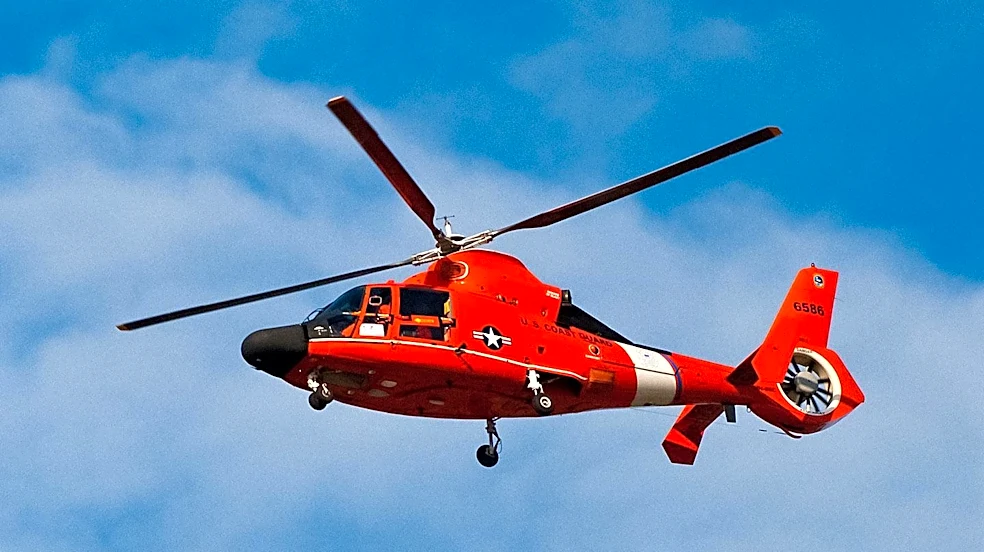
transporting migrants by boat to the U.S. The Coast Guard responded to a report of a vessel in distress around 1 a.m., finding people floating in the water approximately 140 miles west of Ensenada. Petty Officer Chris Sappey stated there was no vessel visible, only individuals in the water. One rescued person indicated that as many as 27 people had been on board a boat. Three of the rescued individuals were transported to Scripps Mercy Hospital San Diego; one is being treated for a suspected shark bite, and two others for cold exposure, according to hospital spokesperson Janice Collins. The Coast Guard and U.S. Navy are assisting Mexican authorities in the search efforts, deploying two helicopters, a fixed-wing plane, and a cutter.
Why It's Important?
This incident highlights the ongoing dangers associated with maritime smuggling operations in the region, as migrants increasingly resort to risky sea travel to bypass heavily guarded land borders. The involvement of the U.S. Coast Guard and Navy underscores the binational nature of these challenges and the humanitarian efforts required to address them. The suspected shark bite, alongside cases of cold exposure, further illustrates the severe risks faced by individuals on these journeys, including environmental hazards and the lack of safety measures on smuggling vessels. The frequency of such incidents, with several capsized migrant boats in recent years, points to a persistent and critical issue for both U.S. and Mexican authorities, demanding continuous search and rescue operations and medical support.
What's Next?
Search operations by the U.S. Coast Guard, U.S. Navy, and Mexican authorities are expected to continue as they look for more individuals who may have been on the distressed vessel. The rescued individuals will likely undergo medical evaluation and processing, particularly those treated for injuries and exposure. Investigations into the circumstances of how the people ended up in the water and the nature of the smuggling operation are anticipated. This event may also prompt further discussions and actions regarding border security, anti-smuggling efforts, and humanitarian aid for migrants attempting to cross into the U.S. by sea. The long-term implications could include increased patrols or enhanced intelligence sharing between U.S. and Mexican agencies to deter future dangerous crossings.
Beyond the Headlines
The incident sheds light on the broader humanitarian crisis at the U.S.-Mexico border, where desperate individuals often entrust their lives to smugglers who prioritize profit over safety. The use of small boats, or 'pangas,' traveling hundreds of miles north from Baja in the dead of night, represents a perilous alternative to land routes, often leading to tragic outcomes. The repeated capsizing of such vessels and the resulting loss of life, as seen in previous incidents, underscore the ethical dilemmas and human cost of migration policies. This event also brings into focus the environmental risks, such as shark encounters and exposure to harsh marine conditions, that migrants face, adding another layer of danger to an already fraught journey. The ongoing efforts to rescue and treat these individuals reflect a commitment to human life amidst complex geopolitical and social challenges.