







What's Happening?
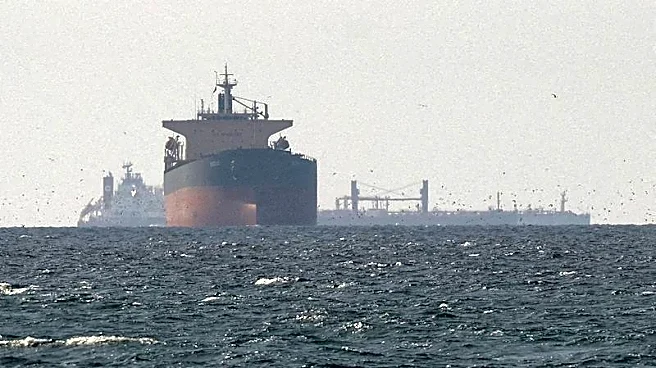
The United States and Iran have reached an agreement to implement a two-week ceasefire. This agreement includes the reopening of the Strait of Hormuz, a critical waterway for global oil shipments. The ceasefire aims to de-escalate tensions in the region,
which have been heightened due to recent conflicts. The reopening of the Strait of Hormuz is particularly significant as it is a vital passage for the transportation of oil, and its closure had previously led to concerns over global oil supply disruptions.
Why It's Important?
The temporary ceasefire between the U.S. and Iran is a crucial development in international relations, particularly in the context of Middle Eastern geopolitics. The Strait of Hormuz is one of the world's most strategically important chokepoints, with a significant portion of the world's oil passing through it. The reopening of the strait is likely to stabilize oil markets and reduce the risk of further economic disruptions. This agreement may also serve as a foundation for more comprehensive diplomatic engagements between the two nations, potentially leading to longer-term peace and stability in the region.
What's Next?
The two-week ceasefire provides a window for diplomatic efforts to address underlying issues between the U.S. and Iran. It is expected that both countries will engage in negotiations to extend the ceasefire or reach a more permanent resolution. The international community, including major oil-importing nations, will be closely monitoring the situation, as any escalation could have significant economic and geopolitical repercussions. Additionally, stakeholders in the global oil market will be assessing the impact of the strait's reopening on oil prices and supply chains.