




What's Happening?
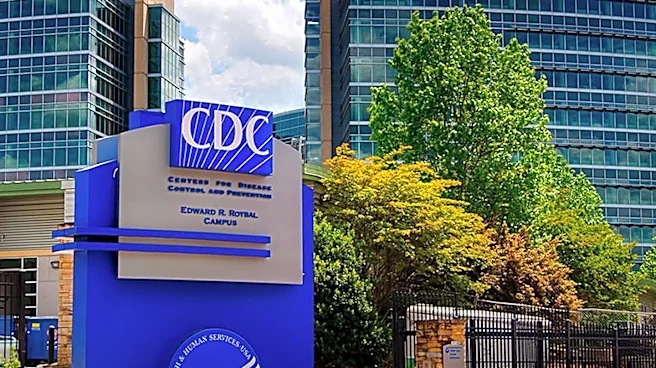
The Department of Health and Human Services (HHS) announced on October 22 that it is seeking subject matter experts to apply for positions on two key advisory committees: the National Biodefense Science Board (NBSB) and the National Advisory Committee
on Children and Disaster (NACCD). The NBSB provides counsel to the HHS secretary and the Administration for Strategic Preparedness and Response (ASPR) on scientific, technical, and other matters related to public health and medical preparedness and response. This includes readiness for infectious disease outbreaks and the health impacts of chemical, biological, radiological, and nuclear threats. It also evaluates how advancements in biological and life sciences, biotechnology, and genetic engineering could influence the nation's health, security, and preparedness. The NACCD, on the other hand, advises the HHS secretary and ASPR specifically on the medical and public health needs of children during disasters. Both committees consist of 13 experts from relevant fields. HHS is accepting applications for these roles through November 22, allowing individuals to nominate themselves for consideration.
Why It's Important?
The establishment and staffing of these advisory committees are crucial for enhancing the United States' capacity to respond to a wide range of public health emergencies and disasters. The NBSB's focus on biodefense and infectious disease outbreaks directly addresses national security concerns and the potential for widespread health crises, similar to past pandemics. By integrating expertise in biotechnology and genetic engineering, the committee aims to leverage cutting-edge science for proactive defense and response strategies. The NACCD's specific mandate to address the needs of children in disasters highlights a critical vulnerability, as children often have unique medical and psychological requirements during emergencies. Ensuring that these committees are composed of diverse and highly qualified experts is vital for developing comprehensive, effective, and equitable preparedness and response plans that protect all segments of the population, thereby strengthening national resilience against future threats.
What's Next?
Following the application deadline of November 22, HHS will review the nominations and appoint the 13 experts for each committee. Once appointed, these committees will begin their work of advising the HHS secretary and ASPR. Their recommendations are expected to influence policy decisions, resource allocation, and strategic planning for national health and medical preparedness. The insights from the NBSB could lead to new research priorities, technological investments, and updated protocols for managing biological threats and infectious diseases. Similarly, the NACCD's guidance will likely inform the development of specialized programs and resources tailored to safeguard children's health and well-being during emergencies. The ongoing work of these committees will be critical in shaping the nation's long-term strategy for public health security and disaster response.
Beyond the Headlines
The formation of these specialized advisory committees underscores a broader national commitment to learning from past public health crises and proactively addressing future threats. Beyond the immediate policy recommendations, the work of the NBSB and NACCD could foster greater interdisciplinary collaboration between scientific, medical, and public health communities. This collaborative approach is essential for anticipating emerging challenges, such as novel pathogens or the complex health impacts of climate change, and for developing innovative solutions. Furthermore, the emphasis on children's needs reflects an evolving understanding of disaster preparedness that moves beyond general population responses to address the specific vulnerabilities of different demographic groups. This holistic approach to preparedness aims to build a more resilient society capable of mitigating the human and economic costs of future emergencies.