






What's Happening?
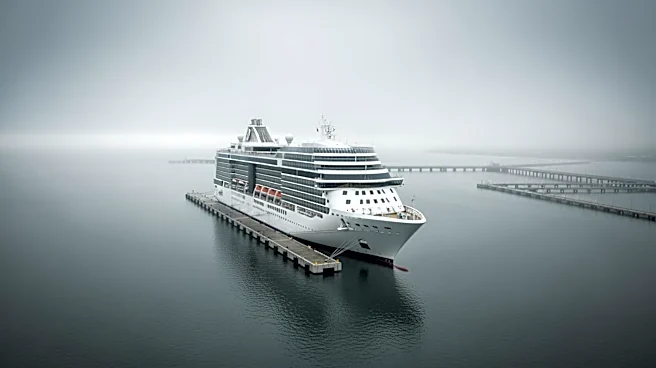
The cruise ship MV Hondius, affected by a hantavirus outbreak, is set to dock in Rotterdam for disinfection. The outbreak has resulted in three deaths and several confirmed cases among passengers and crew. Dutch authorities are preparing quarantine arrangements
for the remaining crew members on board. The World Health Organization (WHO) has been involved in managing the situation, emphasizing that the outbreak is not comparable to COVID-19 and does not constitute a pandemic. The ship had been stranded off Cape Verde before being allowed to proceed to Rotterdam, highlighting the challenges of managing infectious disease outbreaks on cruise ships.
Why It's Important?
The outbreak underscores the vulnerabilities of cruise ships to infectious diseases, given their confined environments and international passenger mix. The situation highlights the need for robust health protocols and rapid response measures to prevent the spread of diseases. For the cruise industry, this incident may lead to increased scrutiny and potential regulatory changes to enhance health and safety standards. The economic impact on the cruise line and related tourism sectors could be significant, as public confidence in cruise travel may be affected. The incident also serves as a reminder of the importance of international cooperation in managing health crises.
What's Next?
Authorities will continue to monitor and quarantine high-risk contacts, with the WHO recommending a 42-day quarantine period. The cruise industry may face calls for stricter health measures and improved outbreak response strategies. Public health officials will likely use this incident to refine post-COVID-19 communication and management protocols. The situation may also prompt discussions on the future of cruise travel and the balance between tourism and public health safety.