






What's Happening?
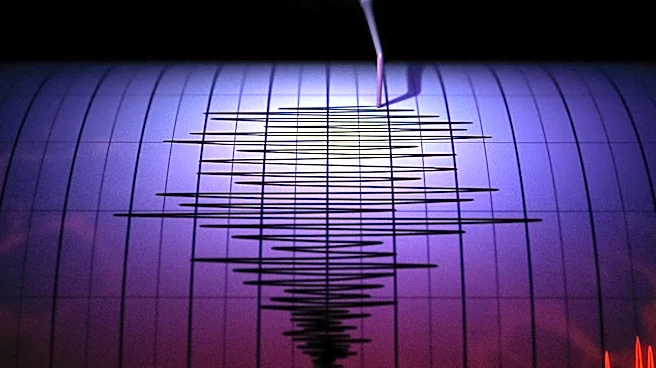
A moderate magnitude 3.8 earthquake occurred in the North Pacific Ocean, approximately 71 km (44 mi) from Russia, late on Wednesday, November 4, 2026, at 11:46 pm local time (GMT +11). The seismic event was recorded at a shallow depth of 40 km (25 mi).
According to VolcanoDiscovery, the earthquake was not reported as felt by residents in the area. This event is likely an aftershock of a larger magnitude 8.8 earthquake that occurred in the North Pacific Ocean, 130 km southeast of Petropavlovsk-Kamchatskiy, Kamchatka, Russia, on July 30, 2025. The European-Mediterranean Seismological Centre (EMSC) and the Geophysical Survey of the Russian Academy of Sciences (KB-GS-RAS) both reported the quake, with slight variations in magnitude and epicenter location. The area near the epicenter experiences an average of 283 earthquakes per year, based on data from the past 26 years.
Why It's Important?
While this specific earthquake was of moderate intensity and not reported as felt, seismic activity in the Kuril Islands region is significant due to its location within the Pacific Ring of Fire, a zone of frequent earthquakes and volcanic eruptions. This area is where the Pacific Plate subducts beneath the Okhotsk Plate, leading to high tectonic stress. Regular seismic events, even smaller ones, serve as reminders of the ongoing geological processes that can lead to more powerful earthquakes and tsunamis. For the U.S., particularly Alaska and the West Coast, significant seismic events in this part of the Pacific can pose tsunami threats, necessitating robust monitoring and early warning systems. The continuous seismic activity also provides valuable data for geologists and seismologists to better understand plate tectonics and improve earthquake prediction models, which has global implications for disaster preparedness.
What's Next?
Following this earthquake, authorities and scientific bodies will continue to monitor the region for further seismic activity, including potential aftershocks. Given the history of the area, there is an ongoing need for vigilance regarding larger seismic events. Seismological observatories will analyze the data from this earthquake to refine their understanding of the local fault lines and stress accumulation. For communities in the Russian Far East, preparedness for future seismic events remains crucial. Internationally, data sharing among geological surveys will continue to contribute to a broader understanding of global seismic patterns. There are no immediate reports of damage or casualties, and no tsunami warnings have been issued in connection with this particular event.
Beyond the Headlines
The frequent seismic activity in the Kuril Islands highlights the dynamic nature of Earth's crust and the constant interplay of geological forces. Beyond immediate concerns of safety, these events contribute to the long-term geological evolution of the planet. The study of such earthquakes helps scientists understand the mechanics of subduction zones, which are responsible for some of the most powerful earthquakes and volcanic activity on Earth. This knowledge is critical for developing more resilient infrastructure in earthquake-prone regions and for advancing our understanding of planetary processes. The ongoing research in this seismically active zone also informs global efforts in hazard mitigation and contributes to the broader scientific endeavor of understanding our planet's deep interior and its surface manifestations.