





What's Happening?
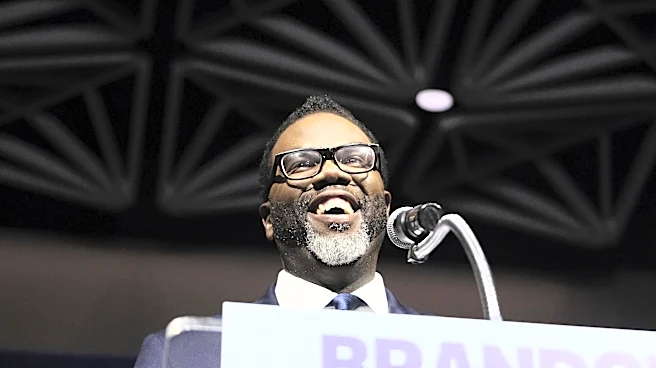
Mayor Brandon Johnson and the Chicago Department of Family and Support Services (DFSS) have released the 2026 Summer Youth Impact Report, detailing a record-breaking year for youth employment in the city. The report highlights that 33,018 young people
were connected with paid opportunities through the rebranded Chicago Youth Works program. These opportunities spanned all 77 community areas and 50 wards of Chicago, providing young individuals with professional experience and career exploration pathways. Mayor Johnson emphasized the transformative impact of summer jobs, noting that for many, it represents their first paycheck and workplace experience. The city's commitment to youth employment is further solidified by a $24 million investment in the FY27 Fair Share Budget, aiming to fund paid opportunities for 40,000 young people in 2027. This initiative comes at a time when national economic shifts and federal policy changes, including reductions in food and medical assistance, have created hardships for many Chicagoans, making these employment opportunities crucial for youth, families, and communities.
Why It's Important?
This record-breaking achievement in youth employment is significant for Chicago's social and economic landscape. Providing over 33,000 paid opportunities directly addresses youth unemployment and underemployment, which can lead to positive long-term outcomes such as reduced crime rates, increased economic mobility, and enhanced community stability. The program's reach across all community areas ensures equitable access to opportunities, particularly benefiting underserved neighborhoods where such resources are often scarce. By investing in youth, the city is fostering a skilled future workforce, which is vital for sustained economic growth and competitiveness. Furthermore, the report indicates positive outcomes in youth development, safety, and career readiness, with high percentages of participants reporting feeling safe, learning new skills, and gaining confidence. This initiative also serves as a critical support system for families facing economic hardships due to broader national economic and policy shifts, offering a tangible buffer against financial instability.
What's Next?
Looking ahead, Mayor Johnson's FY27 Fair Share Budget includes a substantial $24 million investment to expand youth employment programs, with a goal of funding 40,000 paid opportunities in 2027. This indicates a continued and increased commitment from the city to youth workforce development. The Chicago Youth Works program, a collaborative effort involving DFSS, delegate agencies, private-sector employers, and public partners like City Colleges of Chicago and Chicago Public Schools, is expected to further strengthen these partnerships to achieve the expanded goals. The success of programs like the Career Exploration and Employment Preparation Program (CEEP) and the My CHI. My Future. Safe Spaces for Youth Program suggests that similar targeted initiatives will continue to be developed and scaled. The city will likely monitor the long-term impacts of these programs on youth career trajectories, educational attainment, and overall community well-being to refine and enhance future strategies.
Beyond the Headlines
The success of Chicago's youth employment initiative extends beyond immediate job creation, touching upon deeper societal implications. By prioritizing youth employment, the city is actively investing in social capital and fostering a sense of belonging and purpose among young people. The emphasis on safety, with 95% of participants reporting feeling safe at work and during commutes, addresses a critical concern in urban environments and contributes to overall community well-being. This holistic approach, which combines economic opportunity with safety and skill development, can help break cycles of poverty and violence. The program also highlights the importance of public-private partnerships and inter-agency collaboration in tackling complex urban challenges. The long-term impact could include a more engaged citizenry, reduced reliance on social services, and a more resilient local economy, demonstrating a model for other major U.S. cities facing similar issues.