




What's Happening?
A U.S. District Judge has ordered the release of user logs for a body-worn camera that failed to record during protest activity in January, as well as additional surveillance footage from the Eugene Federal Building. This ruling comes in the case of Ryan
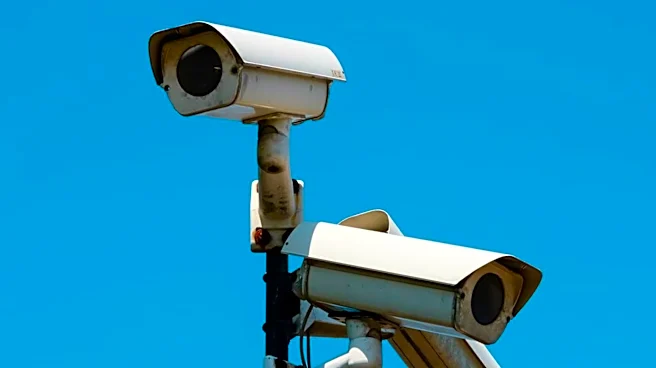
Bruce Gaither Jr., who is accused of assaulting a U.S. Border Patrol officer during protests. According to the defense attorney, Irina Hughes, three cameras at the federal building site were visible in already provided footage, but no recordings from them have been supplied. Assistant U.S. Attorney Joseph Huynh stated that a search would be conducted to determine if this footage exists and can be provided to defense attorneys. Federal Protective Service officers, who are regularly stationed at the Eugene Federal Building, do not wear body-worn cameras. Gaither faces charges of assault on a federal employee involving physical contact and aggravated assault on a federal employee causing bodily injury, with a potential additional charge of attempted assault.
Why It's Important?
This court order underscores the critical role of surveillance and body-worn camera footage in legal proceedings, particularly in cases involving interactions between federal officers and the public during protests. The transparency provided by such evidence can be crucial for establishing facts, corroborating testimonies, and ensuring accountability for all parties involved. The failure of a body-worn camera to record and the delayed provision of federal building surveillance footage raise questions about the completeness of evidence available to the defense and the prosecution. This situation highlights ongoing debates regarding the deployment and reliability of body-worn cameras for federal officers and the protocols for managing and releasing surveillance data from federal properties. The outcome of this case could influence future policies on evidence collection and disclosure in similar incidents, impacting civil liberties and law enforcement practices.
What's Next?
Following the judge's order, user logs from the body-worn camera are expected to be provided to Gaither's defense attorneys. These logs are intended to clarify why the camera failed to record, potentially revealing whether it was operational or intentionally turned off. Additionally, a search will be conducted to locate and provide any existing footage from the three visible surveillance cameras at the Eugene Federal Building. Gaither's trial is scheduled for February 22. The findings from the camera logs and any newly released surveillance footage could significantly impact the defense's strategy and the prosecution's case, potentially leading to new motions or influencing plea negotiations. The case will continue to be closely watched for its implications on evidence standards in federal assault cases stemming from protest activities.
Beyond the Headlines
The issues surrounding surveillance footage and body-worn cameras in this case extend beyond the immediate legal proceedings, touching upon broader societal concerns about privacy, government oversight, and public trust in law enforcement. The absence of body-worn cameras on Federal Protective Service officers, as noted in court documents, contrasts with increasing calls for greater transparency and accountability from law enforcement agencies. The incident also highlights the complexities of managing and accessing digital evidence from federal facilities, especially during dynamic protest environments. The legal battle over this footage reflects a larger societal tension between security measures and civil liberties, particularly when federal agents are deployed in response to public demonstrations. The resolution of this evidentiary dispute could set precedents for how federal agencies are expected to document and disclose their actions during public engagements.