





What's Happening?
North Dakota State University (NDSU) is set to host the third annual North Dakota Controlled Environment Agriculture (CEA) Conference on September 17-18 at its Peltier Complex and Memorial Union in Fargo. The event aims to bring together a diverse group
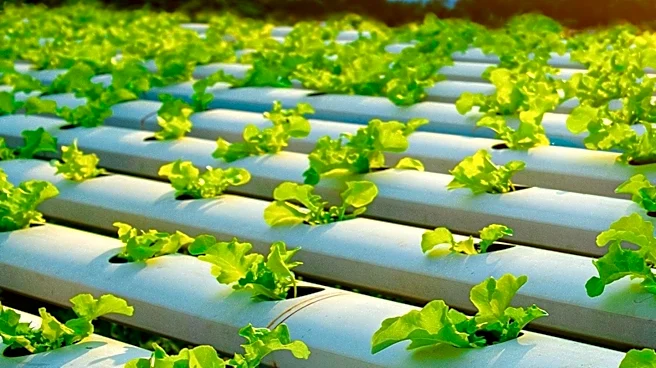
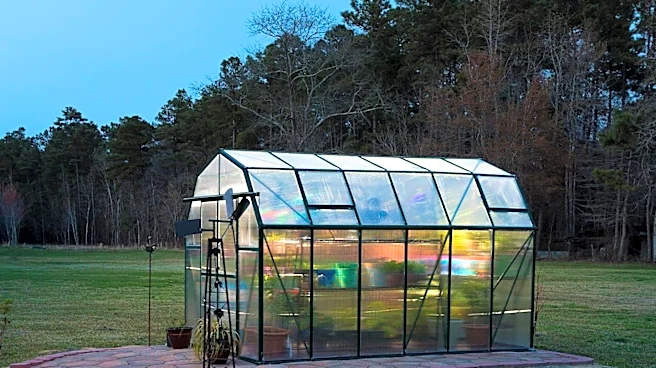
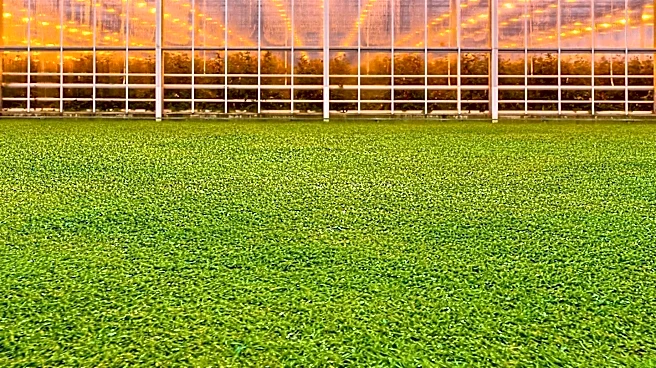
of stakeholders, including growers, researchers, industry professionals, and policymakers, to discuss innovations in precision agriculture. The conference will focus on technologies such as greenhouses, vertical farming, and hydroponics, which are designed to optimize growing conditions and enable year-round crop production. Attendees will have the opportunity to engage with national and regional experts on topics like artificial intelligence, smart monitoring systems, and energy efficiency. The event will also feature tours of NDSU's CEA facilities and a showcase of emerging technologies.
Why It's Important?
The conference is significant as it addresses the growing need for sustainable agricultural practices in North Dakota, a state looking to diversify its agricultural systems. Controlled environment agriculture offers solutions to improve food security, resource efficiency, and production resilience. By fostering collaboration among experts from various disciplines, the conference aims to accelerate the adoption of technologies that enhance productivity and sustainability. This initiative is crucial for the state's agricultural sector, which faces challenges such as climate variability and resource constraints. The event also highlights the role of innovation in meeting the demands of a growing population and changing environmental conditions.
What's Next?
Registration for the conference closes on July 31, and the planning committee is currently accepting exhibitors, sponsors, and presentations from researchers and industry professionals. The event is expected to facilitate ongoing collaboration and knowledge exchange among participants, potentially leading to new partnerships and projects. As North Dakota continues to explore controlled environment agriculture, the outcomes of this conference could influence future policy decisions and investment in agricultural technologies.