



What's Happening?
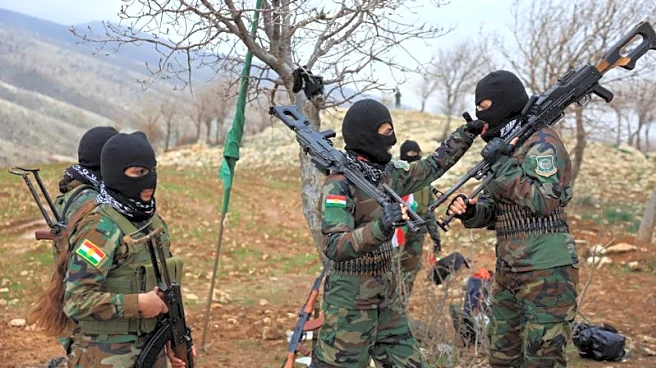
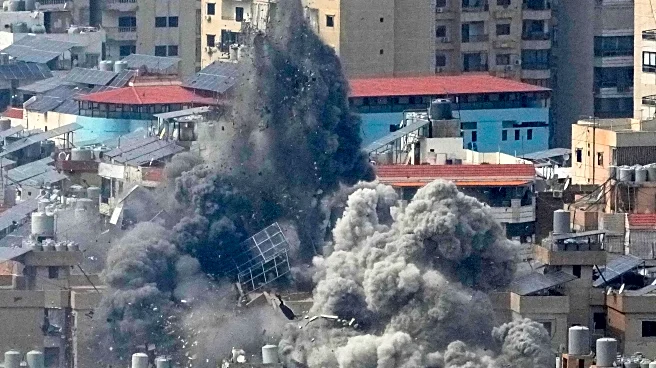
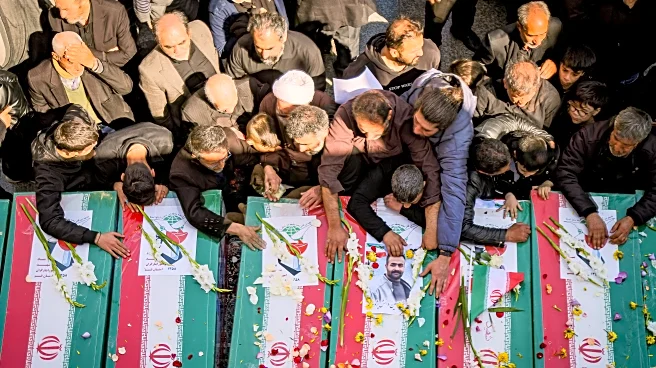
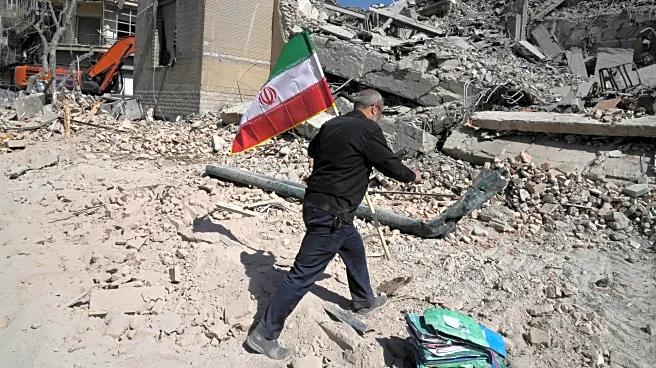
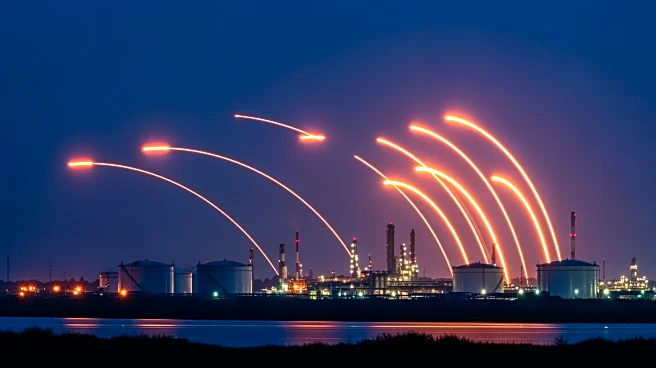
The Israeli Defense Forces (IDF) have conducted airstrikes on several Iranian fuel depots in response to missile attacks from Iran. This escalation follows statements from Iran's security chief, Ali Larijani, vowing to avenge the death of Iran's leader.
The conflict has intensified with Iran firing waves of missiles at Israel, marking a significant escalation in the ongoing tensions between the two nations. President Trump has dismissed the threats from Iran, stating that the U.S. has already achieved victory. The situation remains volatile as both sides continue to engage in military actions.
Why It's Important?
The escalation between Israel and Iran has significant implications for regional stability in the Middle East. The conflict could potentially draw in other nations and disrupt global oil supplies, given the strategic importance of the region. The involvement of the U.S., as indicated by President Trump's comments, highlights the international dimension of the conflict. The ongoing hostilities could lead to further military engagements, impacting civilian populations and leading to humanitarian crises. The situation underscores the fragile nature of peace in the region and the potential for broader geopolitical consequences.
What's Next?
The continuation of military actions by both Israel and Iran suggests that the conflict may not de-escalate soon. Diplomatic efforts may be necessary to prevent further escalation and to address the underlying issues fueling the conflict. The international community, including the United Nations, may need to intervene to facilitate dialogue between the parties involved. The potential for further military engagements remains high, and the situation requires close monitoring to prevent a wider regional conflict.