

What's Happening?
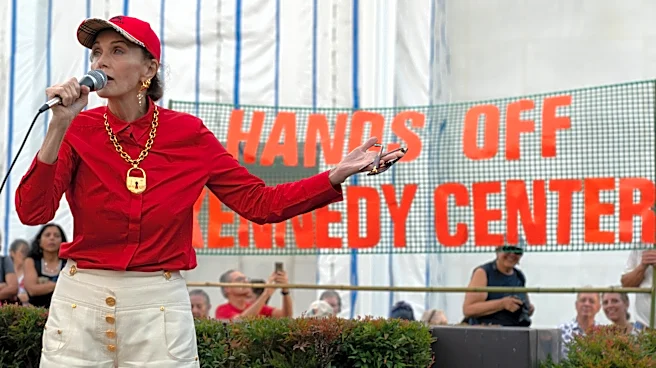
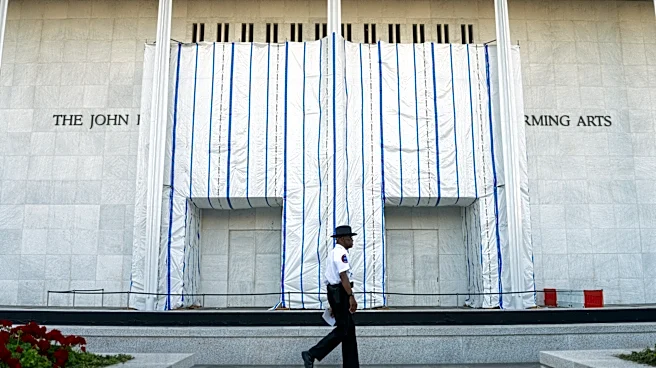
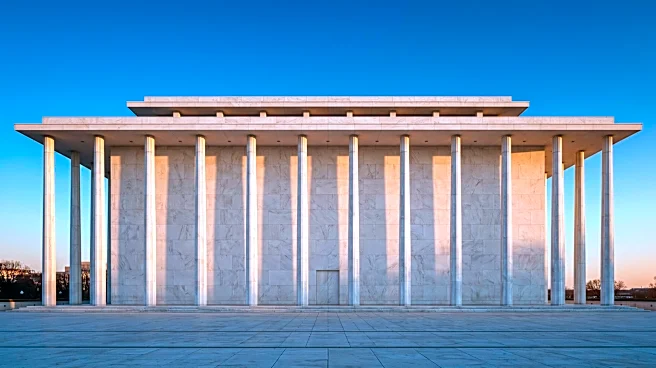
On September 19, 2026, Rep. Robert Garcia, Ranking Member of the House Committee on Oversight and Government Reform, demanded answers from the Kennedy Center Board of Trustees regarding President Trump's alleged threat to demolish the institution. This
demand follows reports that President Trump threatened to "rip down" the Kennedy Center if he is unable to put his name on the building, and after he was seen with a poster seemingly reading "Kennedy Center DEMOLISH." Garcia stated that President Trump has spent "countless hours on ridiculous vanity projects" and that the threat to destroy the Center, following a failed attempt to rename it without Congressional authorization, appears to be an act of extortion. Garcia has requested that the Committee be provided with all records, documents, and communications concerning the planned closure and demolition of the Center.
Why It's Important?
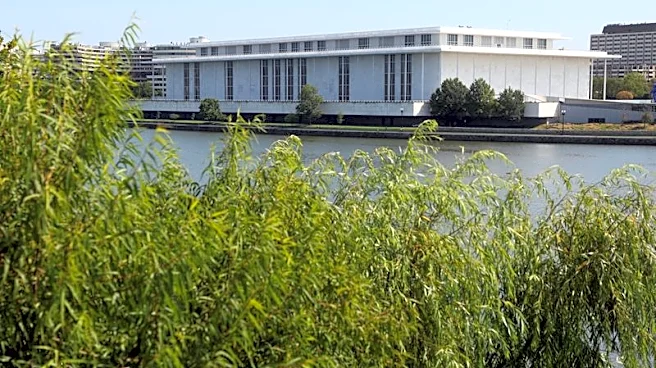
This situation highlights a significant conflict between executive influence and the preservation of national cultural institutions. The alleged threat to demolish the Kennedy Center, a prominent symbol of American arts and culture, raises serious concerns about the potential misuse of presidential power and disregard for established cultural heritage. The demand for answers from Rep. Garcia underscores the role of congressional oversight in scrutinizing executive actions, particularly when they involve public assets and historical landmarks. If the allegations are true, it suggests a pattern of prioritizing personal branding over public interest and legal protocols, as Congressional authorization is required for renaming such institutions. This incident could set a dangerous precedent for how future administrations might interact with and potentially threaten national cultural sites, impacting their long-term stability and public access.
What's Next?
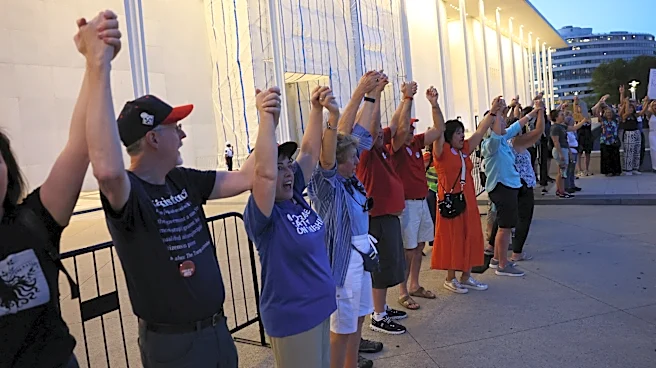
Rep. Garcia's demand for records and communications from the Kennedy Center Board of Trustees indicates that a formal investigation or inquiry is likely to proceed. The Committee on Oversight and Government Reform will expect full cooperation from the Board, and their responses will determine the next steps, which could include public hearings, subpoenas, or further legislative action to protect the Kennedy Center. This issue is also likely to garner significant public attention and could mobilize cultural heritage organizations and the arts community to advocate for the Center's preservation. The outcome of this inquiry could influence future policies regarding the naming and protection of national cultural institutions, potentially leading to stronger safeguards against executive interference. The political ramifications for President Trump and his administration, particularly concerning their perceived respect for cultural heritage, will also be closely watched.
Beyond the Headlines
Beyond the immediate political and legal ramifications, this controversy touches upon the deeper cultural values and the role of public institutions in American society. The Kennedy Center, named after President John F. Kennedy, represents a legacy of public service and support for the arts. An alleged threat to demolish it for personal branding purposes could be seen as an affront to this legacy and to the broader concept of public ownership of cultural assets. This incident also highlights the ongoing tension between political power and cultural preservation, raising questions about who ultimately controls the narrative and physical representation of national identity. It could spark a broader discussion about the vulnerability of public institutions to political whims and the importance of robust legal and ethical frameworks to protect them from such pressures, ensuring that cultural heritage remains accessible and respected for future generations.