





What's Happening?
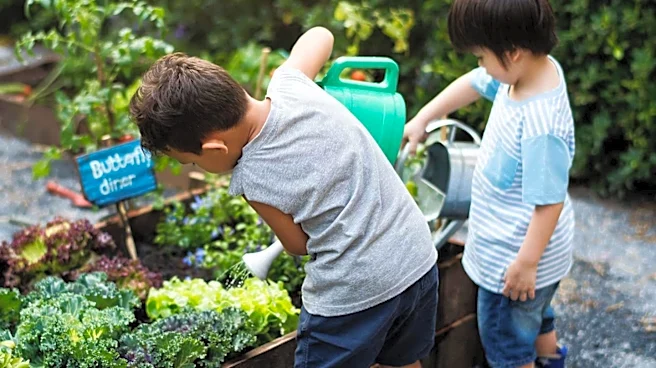
The Capital Area Food Bank (CAFB) operates a half-acre Urban Demonstration Garden, which serves as a vital resource for teaching community members how to cultivate nutritious food. This garden features a variety of growing methods, including raised beds,
in-ground beds, and container gardens, alongside an outdoor teaching kitchen. All produce harvested from this garden is distributed to the community through various events and educational programs. The CAFB relies on volunteers to maintain and expand the garden's operations, emphasizing the benefits of growing fresh produce. Volunteer tasks encompass weeding, mulching, bed repair, irrigation setup, and harvesting, with opportunities for community workshops and events.
Why It's Important?
This initiative is crucial for addressing food insecurity and promoting sustainable food practices within urban environments. By teaching community members how to grow their own food, the CAFB empowers individuals with practical skills that can lead to greater food independence and access to fresh, healthy produce. The distribution of harvested food directly benefits those in need, enhancing community nutrition. Furthermore, the garden serves as an educational hub, fostering a deeper understanding of food systems and the importance of local agriculture. This model can inspire similar projects in other urban areas, contributing to a more resilient and equitable food landscape across the U.S.
What's Next?
The CAFB will continue to engage volunteers for the ongoing maintenance and expansion of the Urban Demonstration Garden. Future plans likely include more community workshops and educational events to further disseminate knowledge about urban gardening and healthy eating. The organization will also focus on optimizing its distribution channels to ensure that the fresh produce reaches as many community members as possible. There is potential for the CAFB to collaborate with other urban agriculture initiatives and local organizations to amplify its impact and reach a broader audience, potentially leading to the establishment of more community gardens.
Beyond the Headlines
The Urban Demonstration Garden represents more than just a food source; it's a community-building tool that fosters social cohesion and environmental stewardship. By providing a shared space for learning and working, it strengthens community ties and promotes a sense of collective responsibility. The emphasis on sustainable growing practices also highlights the broader environmental benefits of urban agriculture, such as improved air quality and reduced carbon footprint associated with food transportation. This model subtly challenges conventional food systems by demonstrating the viability and benefits of localized food production, encouraging a shift towards more sustainable and community-centric approaches to food.