








What's Happening?
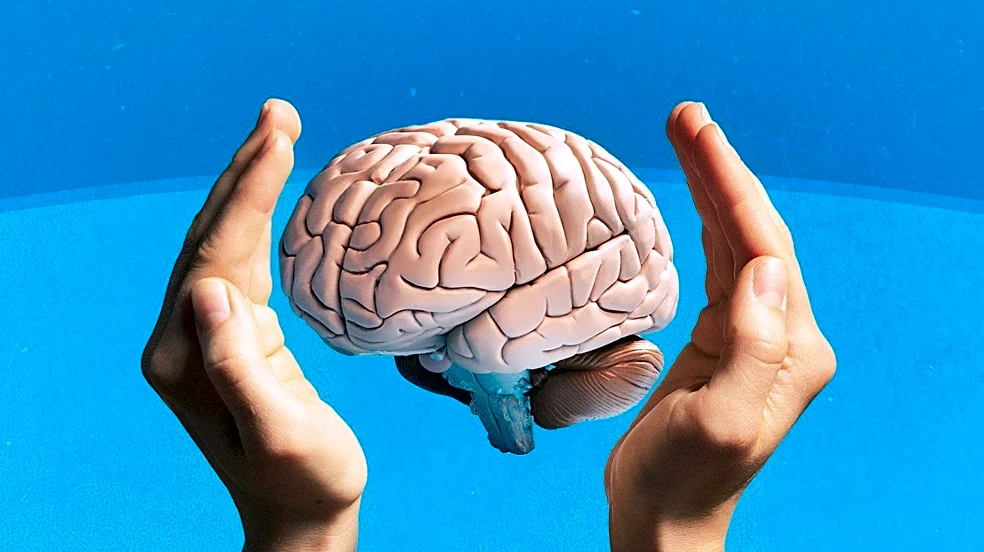
Mental fitness is being introduced as a new framework for managing mental health, emphasizing proactive strategies to protect and enhance well-being. This approach, akin to physical fitness, involves acquiring and practicing skills, tools, and habits
to maintain and improve mental health. It is not intended to replace existing treatments like medication or therapy but rather to empower individuals to take charge of their mental well-being before issues escalate. The concept highlights the importance of developing capacity to handle life's demands and stresses, advocating for activities such as social interaction, continuous learning, and engaging in hobbies to keep the mind active. The Resilience Agenda, for instance, promotes this concept through resources like a Mental Fitness & Wellbeing Diary, designed to integrate these practices into daily routines.
Why It's Important?
This shift towards mental fitness is significant for U.S. society as it reframes mental health from a reactive response to illness to a proactive pursuit of well-being. By emphasizing skill-building and habit formation, it can reduce the stigma often associated with mental health challenges, encouraging more individuals to engage in preventative care. This proactive stance could lead to a healthier, more resilient workforce and general population, potentially decreasing the long-term burden on healthcare systems. For industries, particularly those focused on wellness and personal development, this trend opens new markets for products and services that support mental fitness. It also encourages employers to invest in mental wellness programs, recognizing that a mentally fit workforce is more productive and less prone to burnout.
What's Next?
The concept of mental fitness is expected to gain further traction, leading to increased development and adoption of related tools, programs, and educational initiatives. We may see more workplaces integrating mental fitness training into employee wellness programs, and educational institutions incorporating these principles into curricula. There will likely be a continued focus on research to validate specific mental fitness techniques and their long-term benefits. Additionally, the healthcare sector might explore how mental fitness strategies can complement traditional mental health treatments, fostering a more integrated and holistic approach to patient care. Public health campaigns could also emerge to raise awareness and encourage widespread adoption of mental fitness practices across different demographics.
Beyond the Headlines
The rise of mental fitness could signify a broader cultural shift in how mental health is perceived and discussed in the U.S. Moving beyond the traditional illness-focused model, it promotes a view of mental well-being as an ongoing journey of growth and maintenance. This could foster a more open and supportive environment where individuals feel comfortable discussing their mental state without fear of judgment. Ethically, it raises questions about equitable access to mental fitness resources, ensuring that these proactive strategies are available to all socioeconomic groups. Legally, it might influence policies related to workplace mental health and insurance coverage for preventative mental care. Culturally, it could lead to a greater appreciation for self-care and resilience, integrating mental well-being into the fabric of daily life and societal values.