




What's Happening?
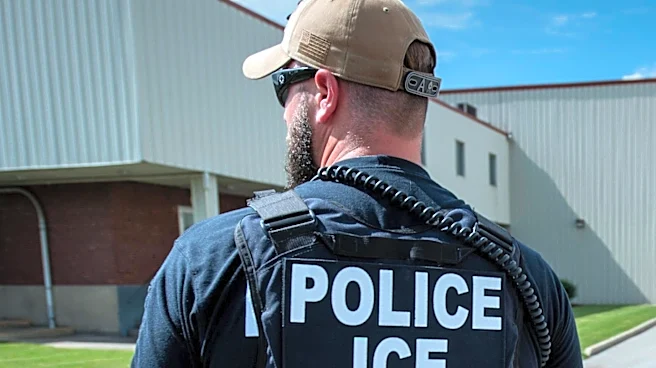
A researcher from Johns Hopkins University, Fatima Ameaka, was detained by U.S. Immigration and Customs Enforcement (ICE) at Baltimore/Washington International Thurgood Marshall Airport (BWI) while she was traveling in a personal capacity. She is currently
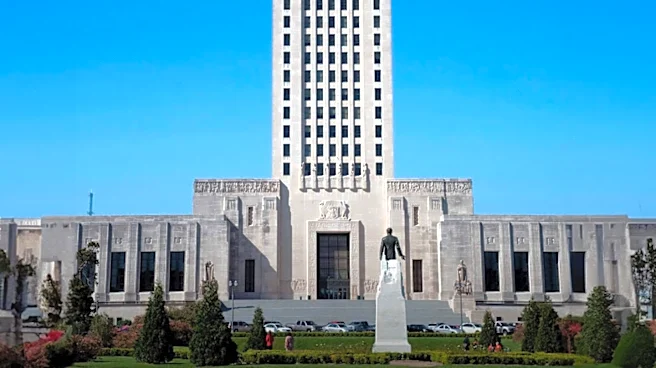
being held in Louisiana. The circumstances surrounding her detention have not been fully disclosed, but it has raised concerns within the academic community and among civil rights advocates. The incident highlights ongoing issues related to immigration enforcement and the treatment of individuals with ties to academic institutions.
Why It's Important?
The detention of a researcher from a prestigious institution like Johns Hopkins University underscores the broader implications of immigration enforcement policies in the United States. It raises questions about the impact of such actions on academic freedom and the ability of researchers to travel freely for personal or professional reasons. This incident could potentially affect the perception of the U.S. as a welcoming destination for international scholars and researchers, which may have long-term consequences for academic collaboration and innovation. Additionally, it highlights the ongoing debate over immigration policies and their enforcement, which remains a contentious issue in U.S. politics.
What's Next?
The next steps in this case may involve legal proceedings to determine the reasons for Ameaka's detention and whether she will be released or deported. Advocacy groups and legal representatives may become involved to provide support and challenge the detention if deemed unjust. The academic community may also respond by advocating for clearer policies and protections for international researchers. This case could prompt discussions among policymakers about the balance between national security and the rights of individuals, particularly those contributing to academic and scientific advancements.