





What's Happening?
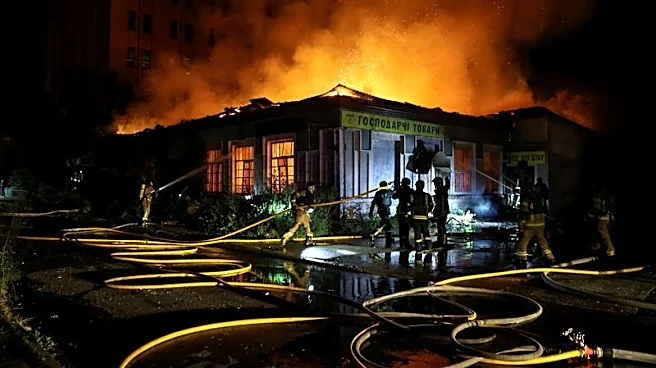
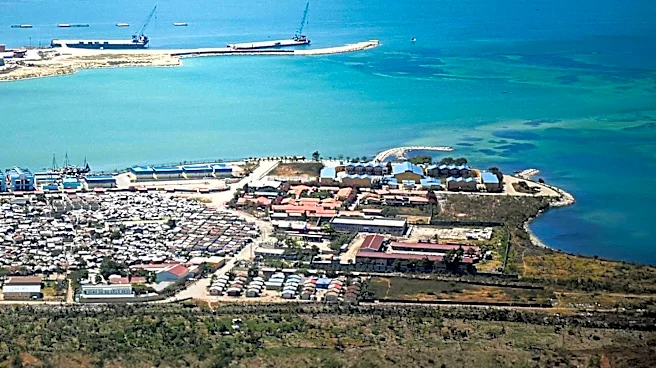
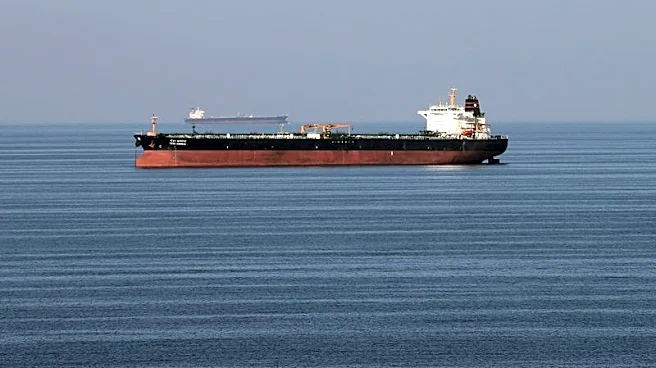
Russian attacks on Black Sea ports have severely disrupted Ukraine's agricultural exports, bringing shipping in the Odesa region to a near standstill. These ports previously handled approximately 90% of Ukraine's agricultural exports. The Ukrainian government
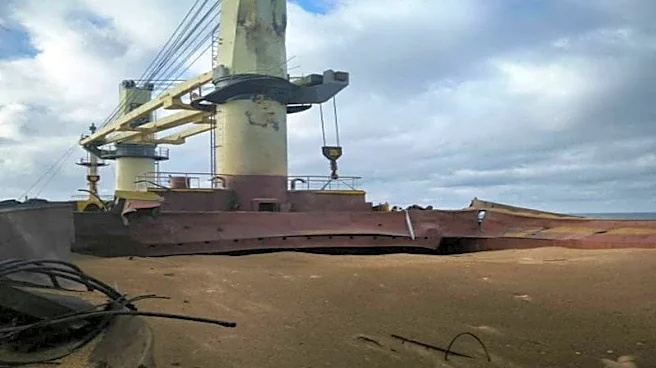
is actively seeking alternative export routes via rail, road, and the Danube River, and is also in negotiations for a new corridor through Moldova. However, experts caution that these temporary solutions cannot fully replace the capacity of Black Sea ports. The blockade has created a significant challenge for Ukrainian farmers, who have harvested over 28 million tons of grains and pulses but are struggling to sell their produce. This inability to sell is leading to a shortage of cash needed for ongoing harvesting and planting of winter crops. Extreme heat and drought have further complicated matters by reducing the Danube's transport capacity and hampering rail and road logistics. The situation is expected to worsen as more grain and oilseed crops are harvested in the coming months, potentially leading to a storage capacity shortage of up to 10 million tons, particularly in war-affected regions where silos have been destroyed.
Why It's Important?
The ongoing blockade of Ukraine's Black Sea ports poses a more significant threat to the Ukrainian economy than the initial full-scale invasion in 2022, according to many experts. The inability to export agricultural produce is causing domestic prices to fall, with food-grade wheat declining by 30 to 35%, making it difficult for farmers to cover production costs. Some farms are already operating at a loss, and the Ukrainian Ministry of Agrarian Policy and Food estimates annual losses from unsold agricultural produce could reach approximately $20.5 billion. This economic strain impacts farmers' ability to invest in future harvests, potentially leading to long-term agricultural instability. The crisis also highlights the vulnerability of global food supply chains to geopolitical conflicts, as Ukraine is a major agricultural producer. The reduced export capacity could lead to higher global food prices and increased food insecurity in importing nations. The situation also underscores the limitations of land-based transport alternatives compared to maritime shipping for bulk commodities.
What's Next?
The Ukrainian government is committed to finding new ways to export agricultural produce, focusing on rail, road, and Danube River routes, and pursuing negotiations for an export corridor through Moldova. Agriculture Minister Taras Vysotsky emphasizes that restoring safe shipping routes to Odesa ports with military support remains the top priority, viewing rail and dry ports as only temporary measures. The government has extended a loan program to farmers and applied for €220 million in aid from the European Commission to support small and medium-sized agricultural businesses. However, challenges persist, including the full capacity of European railways during harvest season, the high cost of road transport, and the impact of extreme weather on river transport. The crisis may also prompt a re-evaluation of Ukraine's long-term export policies to build more resilient logistics that are less dependent on a single route. Analysts predict a drop of about 9 million metric tons in agricultural exports between August and October, with potential losses of approximately $1.9 billion.
Beyond the Headlines
The current crisis in Ukraine's agricultural exports extends beyond immediate economic losses, revealing deeper systemic vulnerabilities and ethical considerations. The destruction of silos and the inability to sell harvests raise concerns about food waste on a massive scale, especially in a world grappling with food insecurity. The reliance on temporary, less efficient transport methods like rail and road not only increases costs but also highlights the environmental impact of shifting from more carbon-efficient sea transport. Furthermore, the reduced support from the European Union compared to 2022, with the reintroduction of customs restrictions and quotas, indicates a potential shift in international solidarity and the complexities of maintaining aid during prolonged conflicts. The situation also brings to light the human cost for farmers, who face financial ruin and the difficult decision of leaving crops in fields, impacting their livelihoods and the agricultural heritage of the region. This crisis underscores the urgent need for international cooperation to protect critical infrastructure and ensure the free flow of essential goods during times of conflict.