







What's Happening?
In Delhi Township, Michigan, food that cannot be safely consumed due to Cyclospora concerns is being repurposed at the local wastewater treatment plant. The plant uses an anaerobic digester to process organic waste from various sources, including schools,
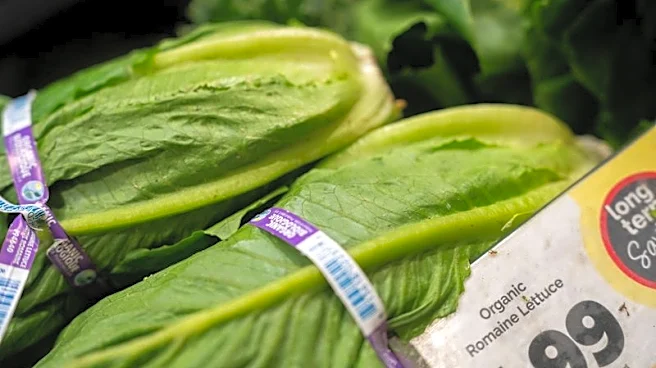
nursing homes, and food banks. This process generates methane, which is captured and used to produce electricity for the plant. The initiative is particularly relevant as food banks and grocery stores are discarding more produce amid ongoing Cyclospora concerns. The Greater Lansing Food Bank has diverted up to 1,200 pounds of food weekly to the digester instead of landfills. The township is also collecting food waste from other organizations, aiming to reduce landfill waste while generating energy.
Why It's Important?
This initiative highlights a sustainable approach to managing food waste, particularly in light of health concerns like Cyclospora. By converting organic waste into energy, the Delhi Township Wastewater Treatment Plant not only reduces landfill contributions but also generates renewable energy. This process supports environmental sustainability and offers a practical solution to food waste management. The use of digested material as fertilizer further benefits agricultural practices, providing nutrient-rich resources for farming. This model could inspire similar initiatives in other regions, promoting waste reduction and energy production.
What's Next?
Delhi Township is seeking additional sources of organic waste to enhance its digester program. This expansion could further reduce landfill waste and increase energy production. As more organizations become aware of the benefits, partnerships may develop, leading to broader adoption of similar waste-to-energy initiatives. The township's efforts could serve as a case study for other municipalities looking to implement sustainable waste management practices.