









What's Happening?
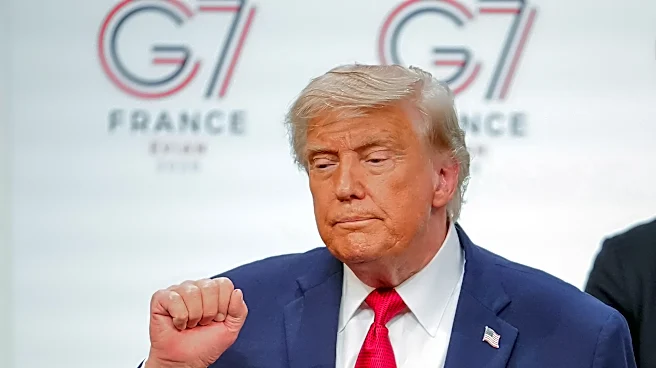
The American public continues to express concern over climate change, despite a shift in political and media focus away from the issue. President Trump has actively rolled back policies aimed at limiting global warming, advocating for increased oil and gas
drilling. This stance has been met with resistance from the public, as polling indicates that two-thirds of Americans remain worried about climate change and support measures to address it. The Yale University climate communication program highlights that this concern has persisted even as other issues, such as international conflicts and inflation, have dominated the news. Despite the reduction in media coverage, the impacts of climate change, such as heatwaves and wildfires, are increasingly affecting Americans' health and finances.
Why It's Important?
The ongoing public support for climate action underscores a significant disconnect between political leadership and voter priorities. While President Trump has attempted to bolster fossil fuel industries, the majority of Americans favor renewable energy solutions. This public sentiment is crucial as it influences policy directions and electoral outcomes. The economic implications are also significant, with climate change-related costs impacting household budgets across the country. The persistence of climate change as a public concern suggests that future political candidates may need to address these issues more directly to align with voter interests. The disparity between political actions and public opinion could lead to increased advocacy and policy shifts in favor of sustainable energy solutions.
What's Next?
As climate change continues to impact daily life, there may be increased pressure on policymakers to address these concerns more robustly. The public's preference for renewable energy could drive legislative efforts to support clean energy projects, despite current political resistance. Additionally, as climate-related costs rise, there may be a growing demand for policies that mitigate these financial burdens on households. The upcoming elections could see climate change becoming a more prominent issue, with candidates potentially leveraging public concern to gain support. The ongoing dialogue between public opinion and political action will likely shape the future of U.S. climate policy.