







What's Happening?
The Department for Infrastructure (DfI) is facing criticism for allegedly downplaying persistent flooding issues along Foyle Road in Derry. SDLP MLA for Foyle, Mark H Durkan, has called for urgent and comprehensive action from both DfI and Northern Ireland
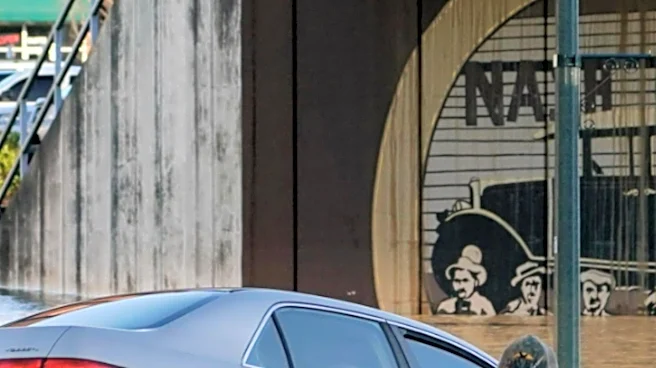
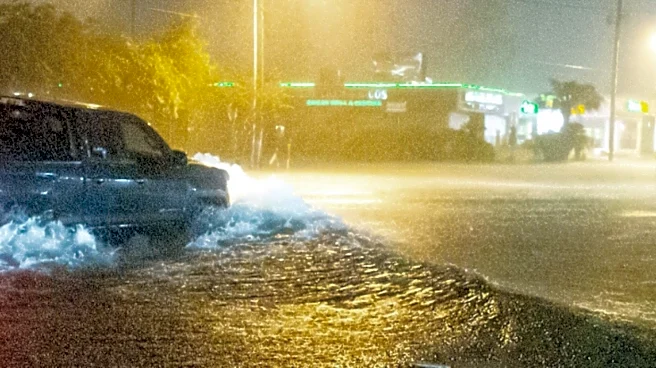
Water to address the recurring problem. Durkan's concerns were amplified after an Assembly Question revealed that drainage along the Foyle Road has been desilted only six times over a ten-year period. He highlighted that the road frequently becomes impassable after heavy rainfall, causing significant traffic disruption across the city center. Durkan stated that despite his repeated concerns to the Department and Minister Kimmins, he was previously informed that there was no flooding problem at the location. He expressed frustration at the perceived lack of urgency and the Department's tendency to minimize the issue, despite local residents experiencing anxiety, disruption, and damage from each flooding event.
Why It's Important?
The ongoing flooding on Foyle Road represents a significant public safety and infrastructure concern for Derry. The repeated disruption to traffic impacts daily commutes, local businesses, and emergency services, hindering the city's functionality. The revelation that drainage has been inadequately maintained over a decade points to potential systemic failures in infrastructure management and planning. This situation erodes public trust in government departments responsible for essential services and highlights a disconnect between official assessments and the lived experiences of residents. Furthermore, in an era of increasing climate variability, the failure to 'future-proof' critical infrastructure against heavy rainfall events could lead to more severe and frequent disruptions, incurring greater economic costs and social inconvenience in the long term. The call for collaborative action between DfI and Northern Ireland Water underscores the need for integrated approaches to urban planning and environmental management.
What's Next?
Following MLA Mark H Durkan's public criticism, increased pressure will likely be placed on the Department for Infrastructure and Northern Ireland Water to respond with a concrete plan of action. Durkan has called for a collaborative and comprehensive response, including simple measures like regular and frequent desilting and gully maintenance. It is expected that local political representatives will continue to advocate for their constituents, potentially leading to further Assembly questions, public statements, or direct engagement with the responsible departments. The departments involved may be compelled to conduct a more thorough assessment of the Foyle Road drainage system and allocate resources for necessary upgrades or maintenance. Public scrutiny will remain high, with residents expecting tangible improvements to prevent future flooding incidents and mitigate their impact.
Beyond the Headlines
The Foyle Road flooding issue is indicative of a broader challenge faced by many urban areas: aging infrastructure struggling to cope with modern weather patterns and increased urbanization. The perceived 'downplaying' of the problem by official bodies raises questions about accountability, data interpretation, and responsiveness to community concerns within government departments. This situation can foster a sense of disenfranchisement among residents who feel their direct experiences are not being adequately acknowledged or addressed by authorities. It also highlights the critical need for proactive infrastructure investment and maintenance, rather than reactive measures, especially in the face of climate change. The incident underscores the importance of transparent communication between public bodies and the communities they serve, ensuring that official assessments align with ground-level realities to build trust and facilitate effective problem-solving.