







What's Happening?
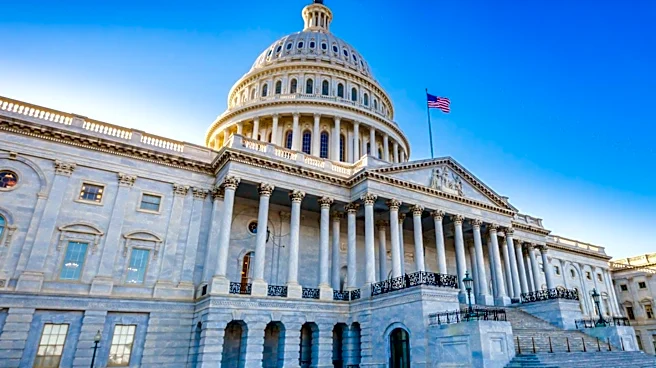
Congress has adjourned for the winter break without reaching an agreement on healthcare subsidies or a federal spending plan for fiscal year 2026. The lapse in enhanced Affordable Care Act (ACA) tax credits, which expired at the end of 2025, is expected
to increase out-of-pocket premiums for approximately 20 million Americans. The House has passed a measure to extend these subsidies, but it faces challenges in the Senate. The unresolved issues are set against a backdrop of a looming January 30 deadline to fund the government, following the longest funding lapse in U.S. history.
Why It's Important?
The failure to extend ACA subsidies could lead to significant financial strain for millions of Americans who rely on these credits to afford health insurance. The potential increase in premiums may result in a loss of coverage for many, impacting hospitals and healthcare providers financially. The political impasse also reflects broader divisions in Congress, particularly regarding healthcare policy and government spending. The situation underscores the challenges of navigating complex policy issues in a divided government, with potential repercussions for upcoming elections.
What's Next?
As Congress reconvenes, the immediate focus will be on negotiating a fiscal year 2026 spending package to avoid another government shutdown. The healthcare subsidy issue remains contentious, with potential compromises being explored by moderate senators. The outcome of these negotiations will be closely watched, as they could influence public opinion and voter behavior in the upcoming midterm elections. The compressed legislative schedule adds pressure to reach a resolution swiftly.