





What's Happening?
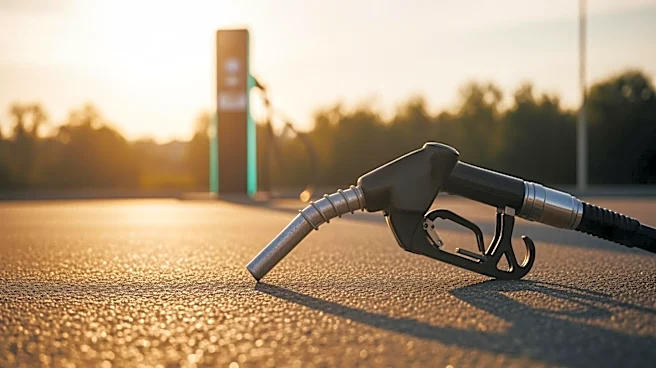
A recent survey conducted by Bumper.com indicates that a significant portion of Americans remain skeptical about the financial benefits of electric vehicles (EVs), despite rising gas prices. The survey, which included 2,228 participants, found that 67.4%
of respondents believe owning an EV would not save them money on fuel costs. This perception persists even though the actual savings could be around $1,000 annually, depending on various factors such as driving habits and local electricity rates. The survey also highlighted a partisan divide, with Republican voters showing less interest in EVs, a trend attributed to President Trump's previous anti-EV rhetoric and policy actions. Despite these findings, online interest in EVs has surged, with platforms like Cars.com reporting a 25% increase in EV-related searches. However, this interest has not yet translated into a significant rise in EV sales.
Why It's Important?
The reluctance to adopt EVs has broader implications for the U.S. automotive industry and environmental policy. As gas prices continue to rise, the potential cost savings from switching to EVs could be substantial for consumers. However, misconceptions about these savings and the availability of charging infrastructure may hinder the transition to electric mobility. This resistance could slow down efforts to reduce carbon emissions and achieve national climate goals. Additionally, the partisan divide on EV adoption reflects broader political challenges in implementing environmental policies. The automotive industry may need to invest in consumer education and infrastructure development to overcome these barriers and promote wider EV adoption.
What's Next?
To address these challenges, stakeholders in the automotive and energy sectors may need to focus on increasing public awareness about the benefits of EVs and expanding the charging infrastructure. Policymakers could consider reinstating or enhancing federal incentives for EV purchases to encourage adoption. As the 2024 election approaches, shifts in political leadership and policy priorities could also influence public perception and regulatory support for EVs. The industry might also explore partnerships with tech companies to improve EV technology and affordability, making electric vehicles a more attractive option for a broader range of consumers.