
What's Happening?
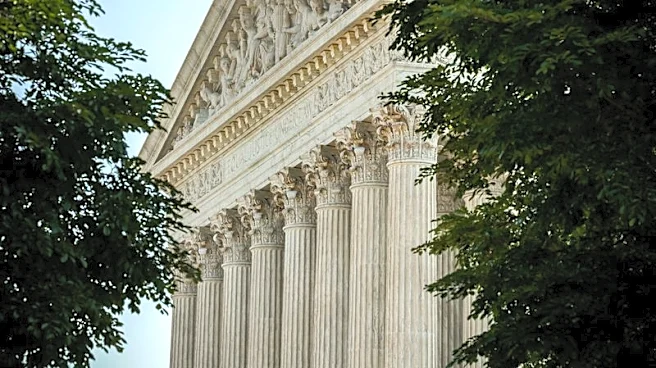
Justice Clarence Thomas has denied a request from Alabama officials for immediate relief in a redistricting case, refusing to issue a stay on a lower court's decision that blocks the state's congressional
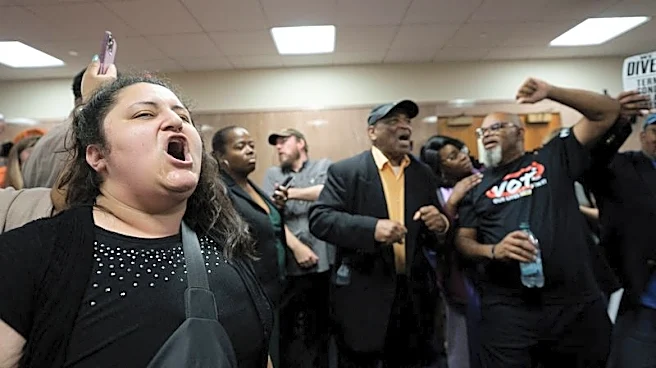
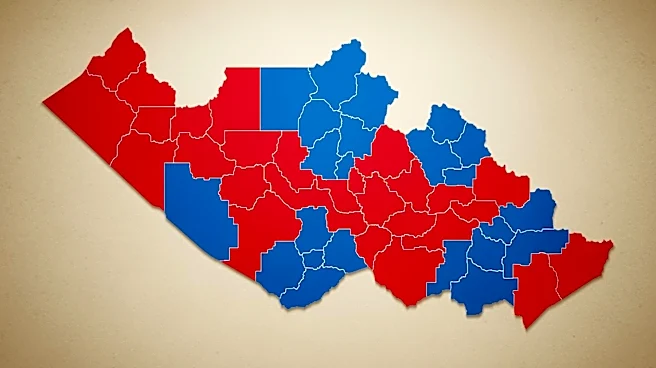
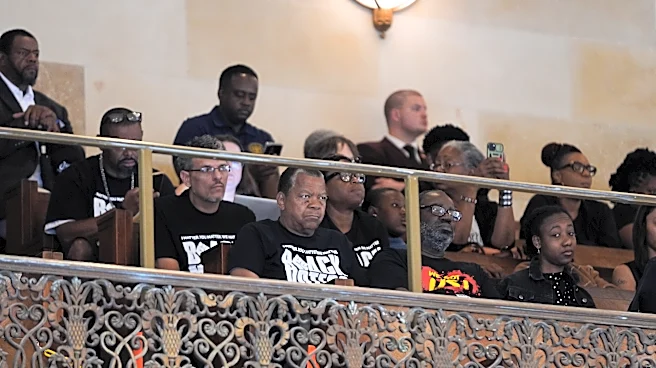
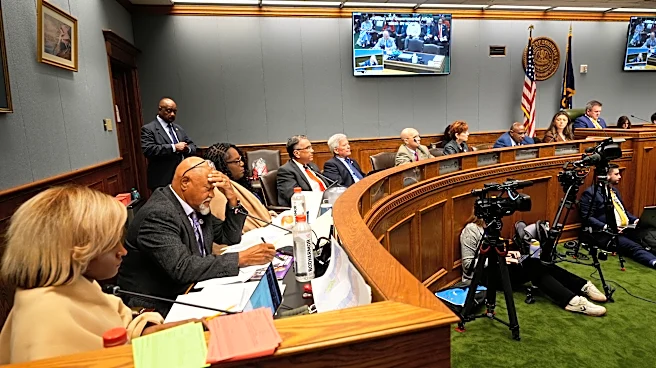
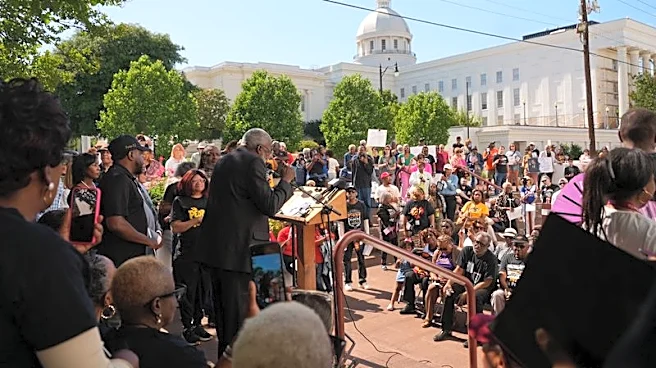
map. This decision comes as Alabama seeks to challenge a federal three-judge panel's preliminary injunction against the use of a map drawn in 2023. The panel ruled that Alabama must use court-ordered districts from the 2024 election, following arguments that the state's proposed map was discriminatory against Black voters. The case has been a long-standing legal battle, moving through various courts since 2021, and is part of broader GOP efforts to implement new maps ahead of the 2026 midterms.
Why It's Important?
The decision by Justice Thomas is significant as it impacts the political landscape in Alabama and potentially other states. The refusal to grant immediate relief means that Alabama must adhere to the court-ordered districts, which could affect the balance of political power in the state. This case is part of a larger national conversation about voting rights and redistricting, with implications for minority representation and the application of the Voting Rights Act. The outcome could influence the GOP's ability to maintain control in the House of Representatives, as redistricting efforts are crucial for shaping electoral outcomes.
What's Next?
Alabama's case will continue to be litigated, with the potential for further appeals and legal challenges. The state's Attorney General, Steve Marshall, has expressed intentions to continue fighting the injunction. The Supreme Court's eventual decision could set a precedent for how similar cases are handled across the country. Stakeholders, including political leaders and civil rights groups, will likely continue to monitor and respond to developments in this case, as it could have far-reaching effects on electoral processes and minority representation.