



What's Happening?
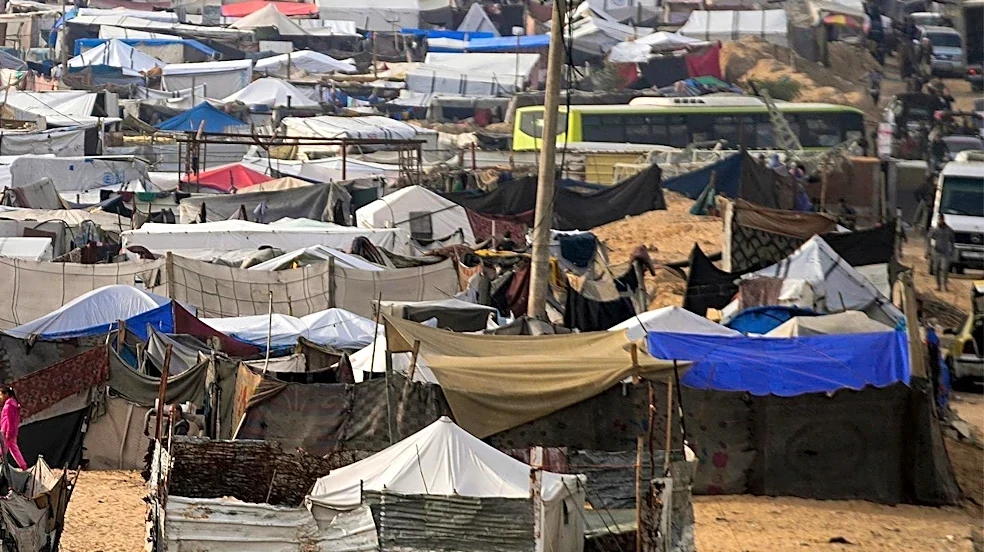
Karl Baker, regional crisis coordinator for the Gaza response at the International Organization for Migration (IOM), reported that shelters across Gaza are severely deteriorating due to repeated displacement over three years of conflict. Some Palestinians
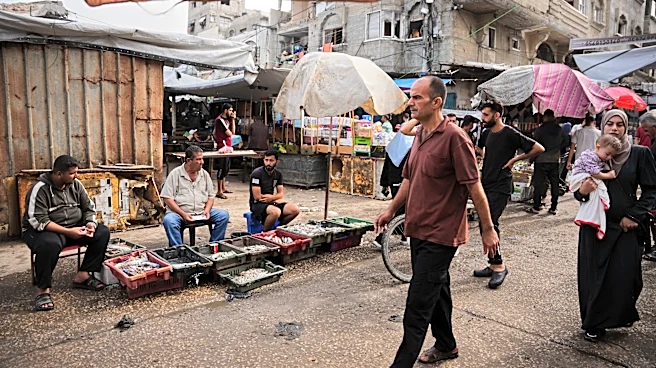
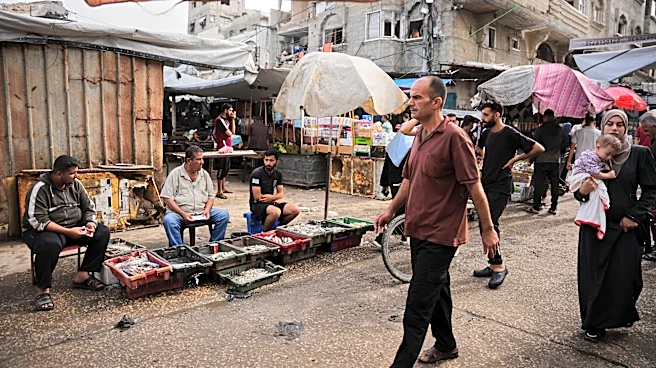
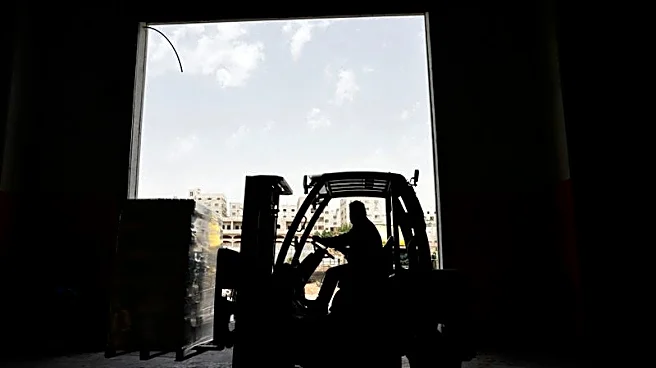
have been displaced up to eight times, leading to the damage or destruction of tents and temporary shelters with each move. Basic materials like tarpaulins, which need replacement every six months, are not being brought into Gaza at the necessary scale by humanitarian agencies. Baker emphasized the need to transition from temporary solutions to more durable transitional shelters, but materials required for stronger roofing, concrete floors, and substantial walls are subject to Israel's 'dual-use' restrictions due to security concerns. Funding shortages and disruptions to international shipping further impede efforts, with only about 30% of Gaza currently accessible to most of the population, forcing displaced individuals into overcrowded and flood-prone areas.
Why It's Important?
The deteriorating shelter conditions in Gaza pose a critical humanitarian crisis, especially with winter approaching. The inability to provide adequate and durable shelter for an estimated 1.8 million to 1.9 million people requiring assistance means that a vast population is vulnerable to harsh weather conditions, disease, and further displacement. The 'dual-use' restrictions on construction materials, intended for security, inadvertently prevent the rebuilding of essential infrastructure and safe housing, trapping civilians in precarious living situations. This situation highlights the complex interplay between security concerns and humanitarian needs, where restrictions on goods can have severe consequences for civilian populations. The repeated displacement also exacerbates psychological trauma and economic hardship, making long-term recovery increasingly difficult for affected communities.
What's Next?
Humanitarian organizations, including IOM, are working to address flood-prone areas and deploy water pumps as winter rains begin. However, Baker warned that getting displaced Palestinians through the winter will be the biggest challenge. IOM continues to engage with Israeli authorities to facilitate the entry of durable materials, but progress remains slow due to security concerns. The international community will likely face increased calls for funding and diplomatic pressure to ease restrictions on humanitarian aid and construction materials. Without significant changes in policy and increased aid flow, the humanitarian situation is expected to worsen, leading to more severe health crises and further displacement. The focus will remain on securing sufficient shelter supplies, which currently cover only 17% of Gaza's winter needs, and improving the quality of existing shelters.
Beyond the Headlines
The ongoing shelter crisis in Gaza reflects a broader systemic issue where protracted conflict and restrictive policies create a cycle of dependency and vulnerability. The repeated destruction and inability to rebuild durable shelters undermine the dignity and long-term resilience of the population, transforming temporary displacement into a semi-permanent state of crisis. This situation also raises questions about accountability under international humanitarian law, particularly regarding the protection of civilians and their right to adequate housing during conflict. The reliance on temporary solutions for years on end suggests a failure to address the root causes of displacement and to facilitate sustainable recovery. The 'dual-use' restrictions, while framed as security measures, effectively prevent any meaningful reconstruction, perpetuating a state of humanitarian emergency and hindering any prospects for long-term stability or return to normalcy for the affected population.