





What's Happening?
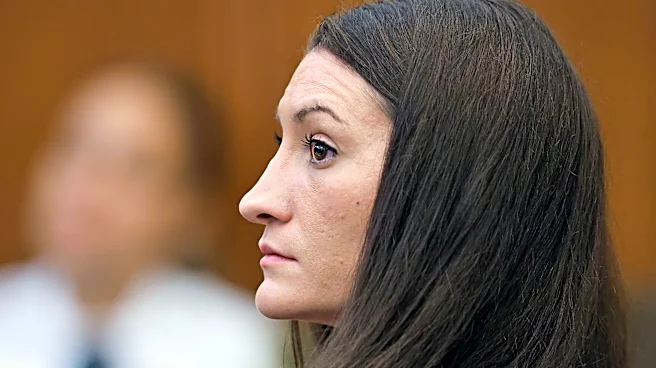
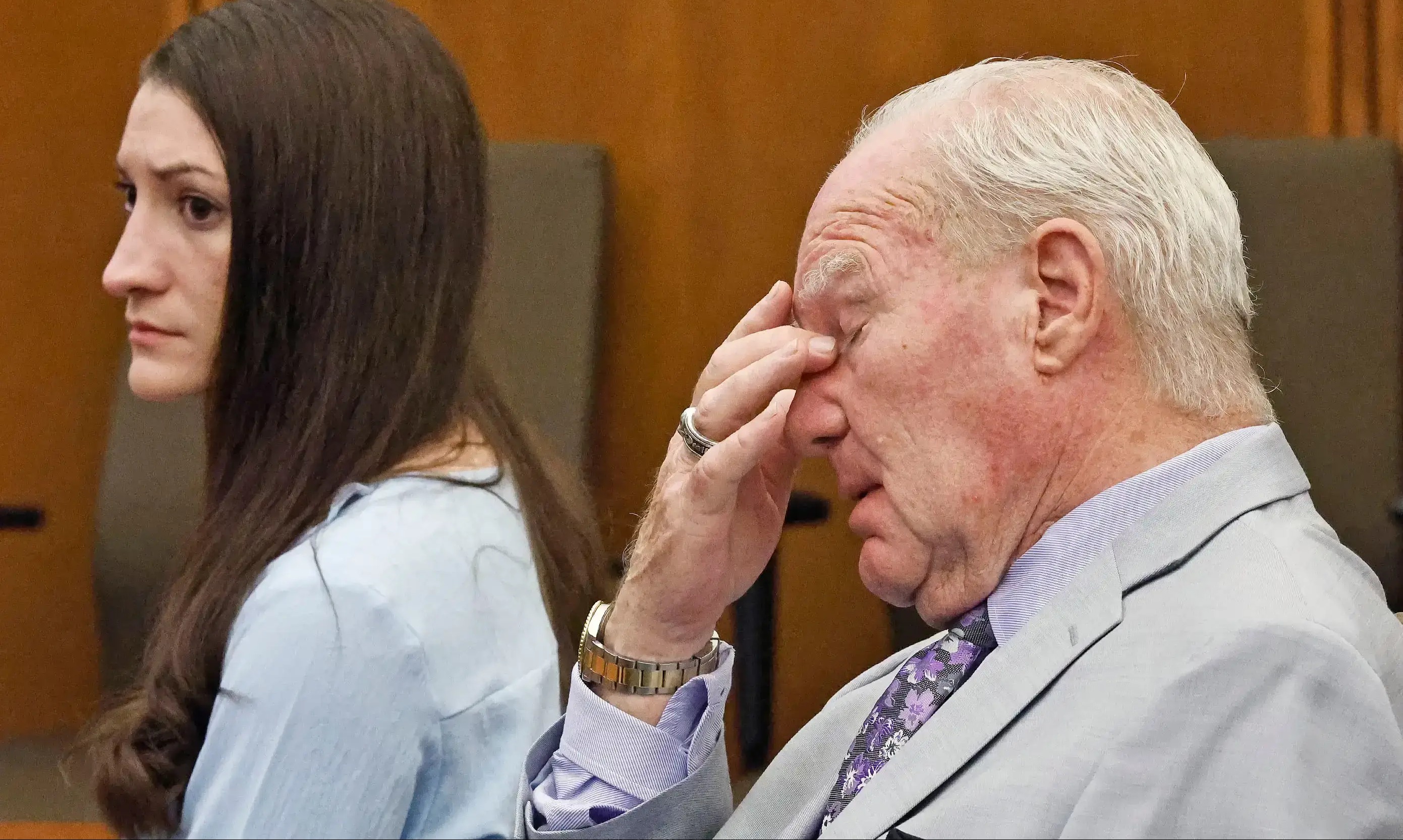
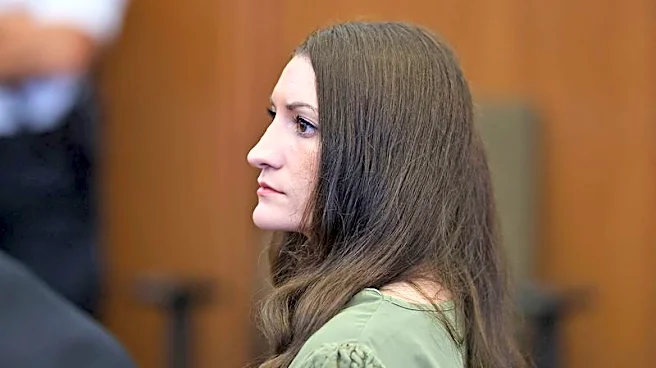
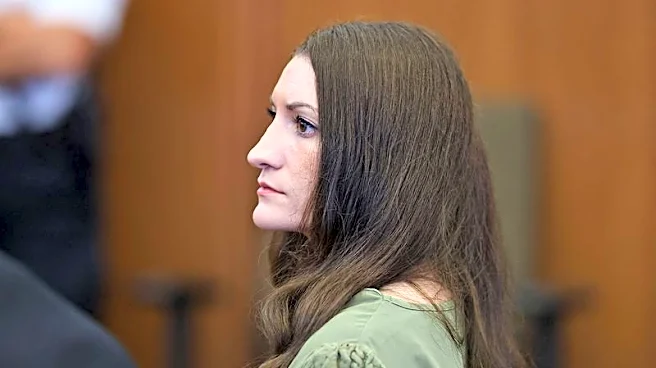
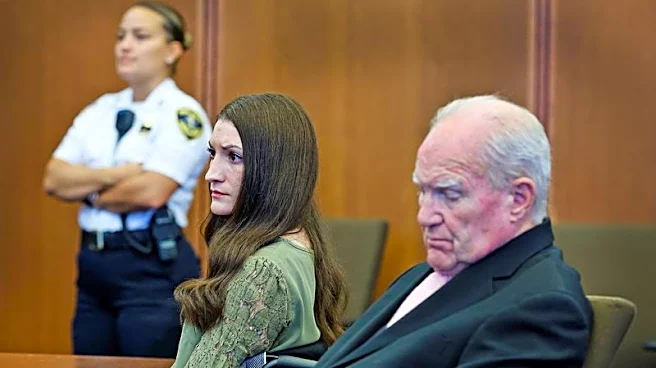
Attorneys for Lindsay Clancy have filed a civil lawsuit alleging "catastrophic failure" by multiple medical providers in diagnosing and treating her psychiatric condition. The lawsuit, filed in January, claims that medical professionals failed to properly
diagnose Clancy with bipolar disorder and instead prescribed treatments that exacerbated her condition, leading to a severe psychotic break. Clancy alleges that these medications contributed to a state of psychosis where she experienced hallucinations and felt she was observing her body's actions rather than controlling them. Two defendants named in the lawsuit, Dr. Jennifer Tufts and Nurse Practitioner Rebecca Jollotta, testified during Clancy's criminal trial. Andrew Meyer, representing Clancy in the civil suit, stated that Clancy sought help from every available resource but continued a downward spiral. Patrick Clancy, her ex-husband, filed a separate, overlapping lawsuit seeking at least $1 million in damages. Both cases are filed in Norfolk Superior Court.
Why It's Important?
This civil lawsuit brings to the forefront critical issues regarding mental health diagnosis and treatment within the U.S. healthcare system. The allegations of misdiagnosis and inappropriate medication highlight potential systemic failures in psychiatric care, particularly for patients experiencing severe mental health crises. If proven, the case could prompt a re-evaluation of diagnostic protocols, medication management practices, and the responsiveness of mental health support services. It underscores the profound impact that inadequate mental healthcare can have on individuals and families, leading to tragic outcomes. The lawsuit also raises questions about the accountability of medical professionals and institutions in complex psychiatric cases, potentially influencing future medical malpractice litigation and standards of care for mental health patients across the nation.
What's Next?
A timeline for the civil case remains uncertain, as it is contingent on decisions regarding a potential second criminal trial for Lindsay Clancy. Clancy will remain at Tewksbury State Hospital pending these decisions, with the court indicating a retrial could occur in the fall. Attorneys for the defendants, including Dr. Jennifer Tufts and McLean Hospital, have been contacted but have not yet responded. The progression of this civil suit will likely depend on the outcome of any further criminal proceedings. Should the civil case move forward, it will involve extensive legal discovery, expert testimony, and potentially a lengthy trial, which could further illuminate the complexities of psychiatric care and medical liability. The outcome could set precedents for how medical institutions and practitioners are held responsible in cases involving severe mental illness and adverse treatment effects.
Beyond the Headlines
This case delves into the ethical and legal complexities surrounding patient autonomy, informed consent, and the duty of care in psychiatric treatment. It highlights the challenges in accurately diagnosing and managing severe mental illnesses, particularly when patients present with complex symptoms or adverse reactions to medication. The allegations suggest a potential breakdown in the communication and coordination of care among various medical providers, raising broader questions about integrated healthcare models. Furthermore, the public nature of this case could intensify discussions around destigmatizing mental illness and improving access to comprehensive, effective mental health services. It may also influence legislative efforts to strengthen patient protections and oversight within the mental healthcare industry, potentially leading to reforms aimed at preventing similar tragedies in the future.