





What's Happening?
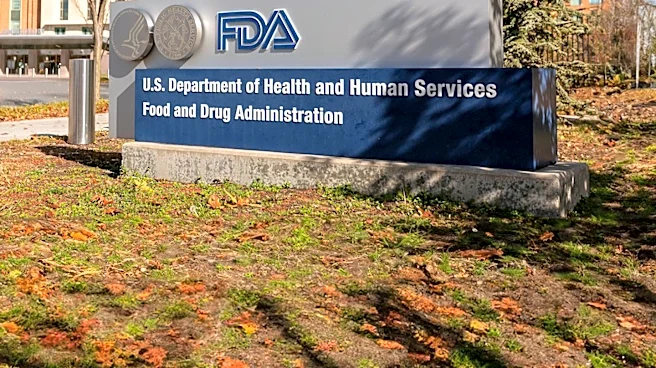
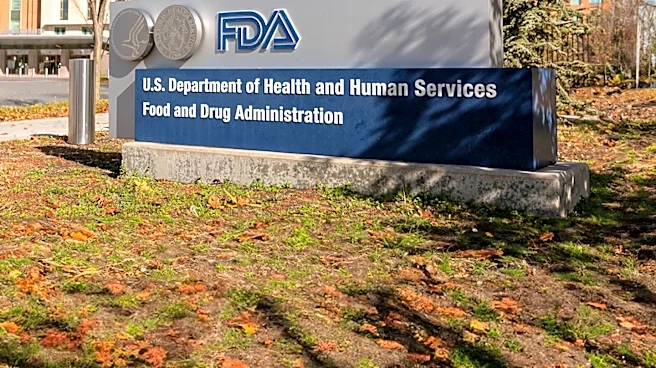
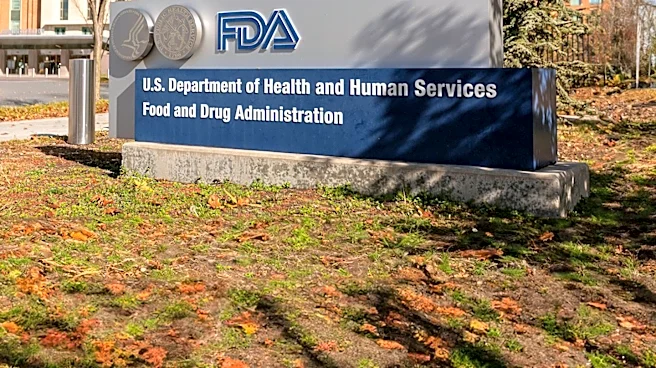
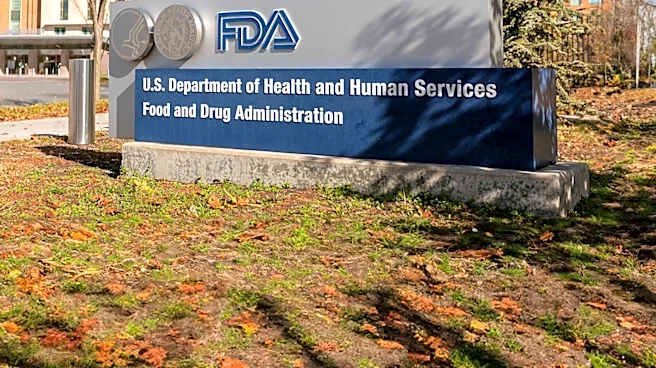
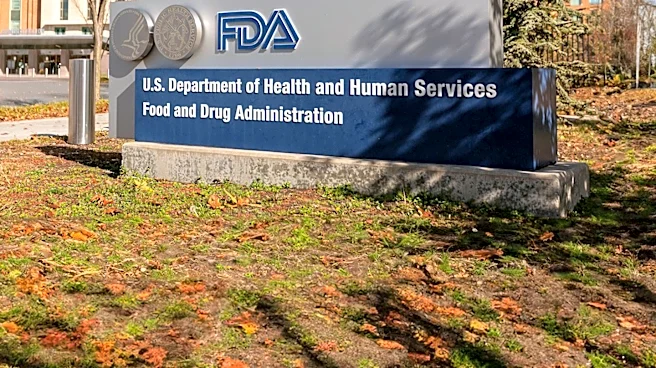
Importing medical devices into the United States is subject to stringent regulations enforced by the Food and Drug Administration (FDA) in conjunction with U.S. Customs and Border Protection (CBP). According to CASRAI, the FDA scrutinizes whether imported
devices are legally marketed in the U.S. and if the entities involved in the import process are known to the agency. This involves verifying establishment registration, device listing, and, for certain devices, the presence of a 510(k) clearance, De Novo authorization, or Premarket Approval (PMA). Foreign manufacturers must also designate a U.S. agent as part of their registration. Common mistakes leading to detention or refusal include incorrect declarations, missing listing numbers, and treating distributors who relabel or repackage as wholesale distributors without proper registration. Importers also have post-entry duties, such as reporting adverse events and maintaining Medical Device Reporting (MDR) event files.
Why It's Important?
The strict FDA regulations for importing medical devices are crucial for safeguarding public health and ensuring the quality and safety of medical products available in the U.S. market. These rules prevent the entry of unapproved or substandard devices that could pose risks to patients. For U.S. healthcare providers and consumers, these regulations provide a layer of assurance regarding the efficacy and reliability of imported medical equipment. For businesses, particularly foreign manufacturers and U.S. importers, understanding and complying with these regulations is paramount to avoid costly delays, detentions, or outright refusal of shipments. Non-compliance can lead to significant financial losses, reputational damage, and legal penalties. The complexity of these rules also creates a barrier to entry for some, potentially influencing market competition and the diversity of available medical devices.
What's Next?
The FDA continuously updates its guidance and enforcement strategies for medical device imports, meaning stakeholders must remain vigilant and adapt to evolving requirements. Future developments may include increased scrutiny on specific device categories, enhanced digital tracking systems for imports, or changes in international trade agreements that could impact the import process. Foreign manufacturers and U.S. importers will need to invest in robust compliance programs, including regular training and internal audits, to ensure adherence to all FDA mandates. The agency may also leverage advanced analytics to identify high-risk shipments, potentially leading to more targeted inspections and enforcement actions. Furthermore, as medical technology advances, new types of devices will emerge, necessitating updates to existing regulatory frameworks to address their unique safety and efficacy considerations.
Beyond the Headlines
Beyond the immediate regulatory compliance, the FDA's import rules have broader implications for global supply chains and international trade relations. The stringent requirements can influence where medical devices are manufactured and how they are distributed worldwide, potentially favoring countries with robust regulatory alignment with the U.S. This can also impact the cost of medical devices, as compliance efforts add to production and logistics expenses. The emphasis on legal marketing pathways and post-market surveillance underscores a commitment to patient safety that extends beyond initial product approval. This framework encourages a culture of quality and accountability throughout the device lifecycle, from manufacturing to patient use. The ongoing challenge lies in balancing rigorous oversight with facilitating timely access to innovative medical technologies, especially in a rapidly globalizing healthcare market.