





What's Happening?
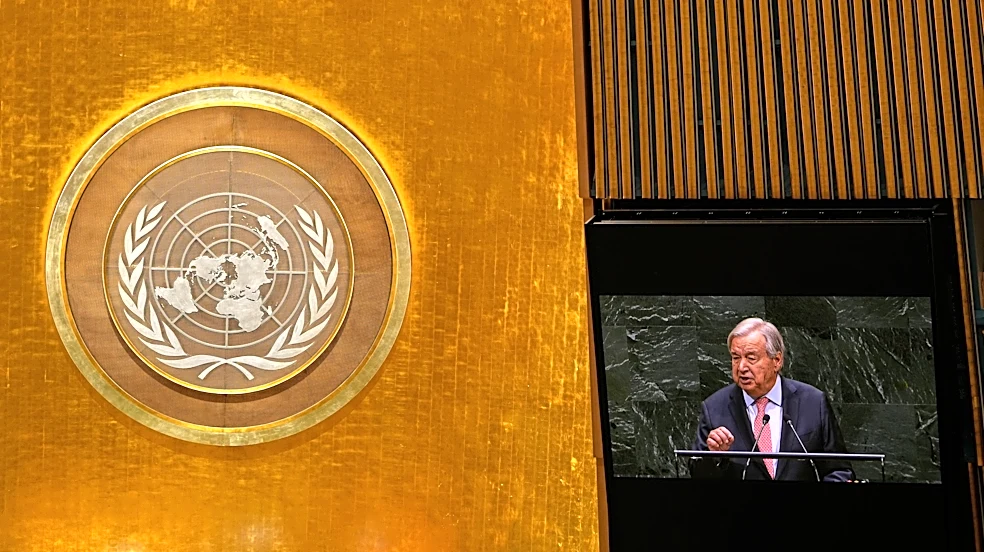
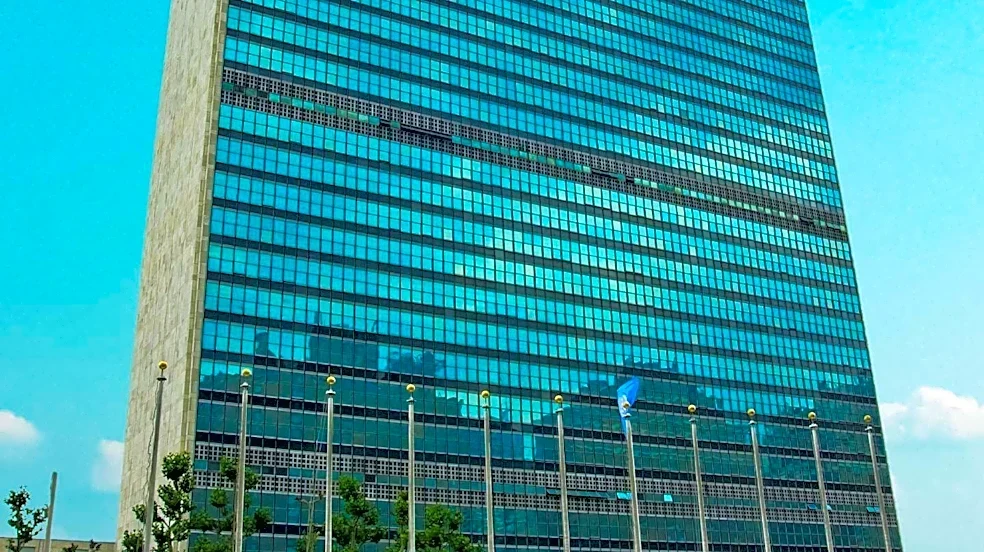
The United Nations, despite prevention being central to its Charter and reform agendas, lacks a coherent system function to effectively implement prevention as an operational practice. This fragmentation means that critical elements such as analysis,
political judgment, financing, national ownership, regional engagement, and deployable support are not adequately connected. The issue stems from prevention often being seen as everyone's obligation but no one's direct responsibility. The current crisis facing the UN is not primarily managerial but reflects deeper structural tensions, as the organization operates under conditions for which it was not originally designed. This deficiency impacts the UN's ability to support Member States directly and assist the Security Council in drawing on the system for preventive measures. The paper emphasizes the need for a clearer operating logic to organize existing building blocks like the Peacebuilding Commission, Resident Coordinator system, and human rights mechanisms for prevention.
Why It's Important?
The absence of a coherent prevention system within the UN has significant implications for global stability and the effectiveness of international cooperation. Without a unified approach, the UN struggles to proactively address emerging conflicts, humanitarian crises, and other threats, leading to reactive interventions that are often more costly in terms of lives and resources. This fragmentation undermines the UN's foundational purpose of maintaining international peace and security. For the U.S. and other member states, this means that their investments in the UN may not yield optimal results in preventing crises. The lack of flexible, adaptive, and risk-tolerant prevention financing, especially in the context of shrinking official development assistance, further exacerbates the problem. A more robust prevention framework could reduce the need for extensive peacekeeping operations and humanitarian aid, ultimately saving lives and fostering more stable international relations, which benefits U.S. foreign policy objectives and global trade stability.
What's Next?
The central recommendation is for the 10th Secretary-General to prioritize prevention as a defining system objective. This would involve presenting a practical UN prevention offer that Member States can recognize, request, and utilize. Such an offer should be nationally owned, politically accompanied, grounded in country-level engagement, regionally connected, financially supported, and reinforced by deployable Expertise on Demand. Securing flexible and adaptive prevention financing is also highlighted as an urgent need. The UN80 reform agenda and the upcoming post-2030 negotiations present opportunities to integrate gender equality as an institutional priority, which is seen as crucial for systemic change grounded in non-discrimination and equality. Member States are urged to place gender equality at the center of efforts to achieve the 2030 Agenda and future frameworks, indicating a broader push for comprehensive reform.
Beyond the Headlines
The challenge of prevention within the UN extends beyond operational inefficiencies; it touches upon fundamental questions of international responsibility and accountability. The current structure allows for a diffusion of responsibility, where critical issues can fall through the cracks due to a lack of clear ownership. This situation highlights a deeper ethical dilemma: how can the international community effectively uphold its commitment to preventing atrocities and conflicts when the very mechanisms designed for this purpose are fragmented? The call for a practical UN prevention offer and dedicated financing suggests a recognition that prevention requires not just political will, but also a dedicated institutional architecture and sustained resources. This shift could lead to a re-evaluation of how international organizations are structured and funded, potentially fostering a more proactive and integrated approach to global challenges, moving away from a reactive crisis management model.