
What's Happening?
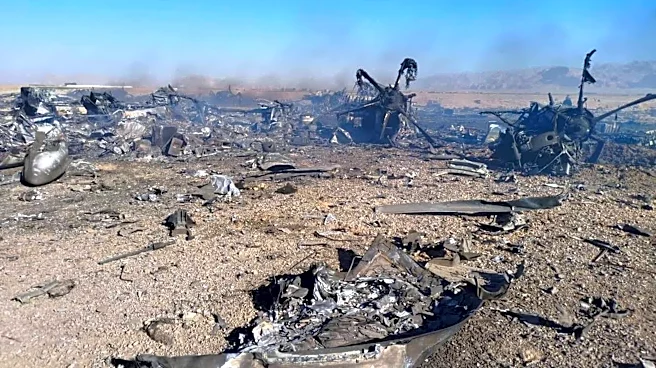
The Israel Defense Forces (IDF) conducted a strike on a Hamas terror cell operating near Israeli troops in northern Gaza. The military identified the group of armed terrorists as posing an immediate threat
to IDF forces in the area. This action is part of the IDF's ongoing operations in Gaza, which continue under the terms of a ceasefire agreement. Despite these operations, Hamas has refused to disarm, demanding a full Israeli withdrawal from the Gaza Strip as a precondition for any disarmament discussions. This stance was reported by Reuters, citing sources from Egypt and Palestine. The disarmament plan, seen by Reuters, involves a committee of Palestinian technocrats taking control of Gaza's security, with Israeli troops withdrawing only after verification that Gaza is free of weaponry.
Why It's Important?
The IDF's strike and the ongoing refusal of Hamas to disarm highlight the persistent volatility in the region. This situation underscores the challenges in achieving lasting peace and stability in Gaza. The refusal to disarm until a full Israeli withdrawal could prolong the conflict, affecting regional security and international diplomatic efforts. The continued military presence and operations by the IDF in Gaza are likely to influence U.S. foreign policy and its relations with Middle Eastern countries. The conflict also impacts humanitarian conditions in Gaza, drawing international attention and potentially affecting U.S. aid and diplomatic strategies in the region.
What's Next?
The situation in Gaza remains tense, with potential for further military engagements if Hamas continues to resist disarmament. International mediators may increase efforts to negotiate a resolution, but the demands for a full Israeli withdrawal complicate these efforts. The U.S. and other international stakeholders may need to reassess their diplomatic and strategic approaches to the conflict, balancing support for Israel's security with humanitarian concerns in Gaza. The ongoing conflict could also influence U.S. domestic politics, particularly in terms of foreign policy debates and public opinion on Middle Eastern affairs.