




What's Happening?
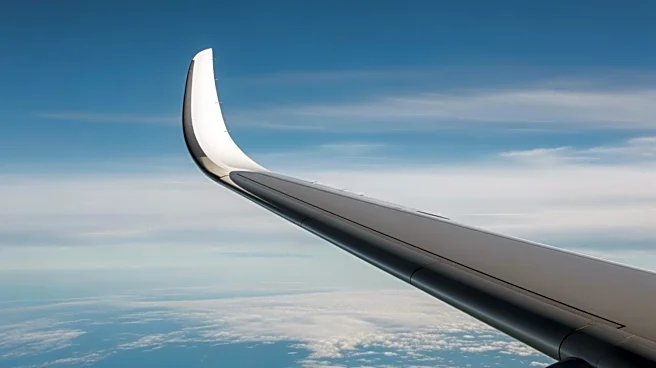
A South African Airways Airbus A320 experienced severe turbulence while approaching Cape Town, leading to flight-control issues. The aircraft, en route from Johannesburg, encountered a 20-40kt negative windshear at 6,000 feet, triggering the autothrust's
'alpha floor' mode to prevent a stall. The turbulence caused the aircraft to switch to alternate law due to an elevator-aileron computer pitch fault, and the autopilot disengaged. Despite these challenges, the crew managed to land the aircraft manually under direct law, with no injuries reported and the aircraft undamaged.
Why It's Important?
This incident highlights the challenges and risks associated with severe weather conditions in aviation, emphasizing the importance of pilot training and aircraft safety systems. The successful manual landing under direct law demonstrates the crew's skill and the aircraft's resilience, reinforcing confidence in aviation safety protocols. For the airline industry, such events underscore the need for continuous improvements in weather forecasting and flight control technologies to enhance passenger safety. Additionally, this incident may prompt regulatory bodies to review and update safety guidelines for handling severe turbulence.
What's Next?
Investigations by aviation authorities will likely focus on understanding the sequence of events and identifying any potential improvements in aircraft systems or pilot training. The findings could lead to recommendations for enhancing safety measures during adverse weather conditions. Airlines may also review their operational procedures and training programs to ensure preparedness for similar situations. Furthermore, advancements in weather prediction technologies and flight control systems may be explored to mitigate the impact of severe turbulence on future flights.