




What's Happening?
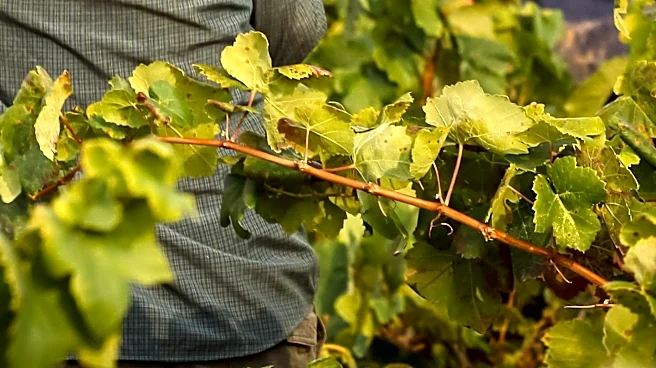
In Israel, a groundbreaking agrivoltaic project at Kibbutz Ma’ale Gilboa has set a new record by producing 30 tons of grapes grown beneath solar panels. This innovative approach combines agriculture with renewable energy, allowing the same land to serve
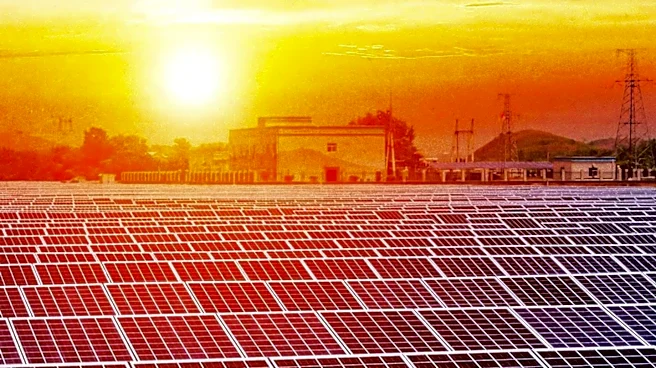
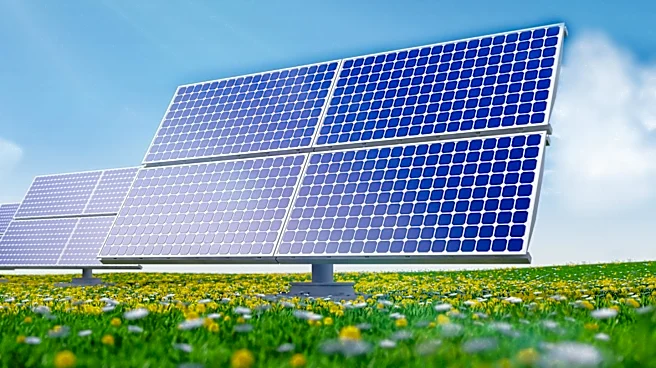
dual purposes. The solar panels generate electricity while providing shade that protects the vines from extreme heat, creating optimal conditions for grape growth. The project, a collaboration between local farmers, students, and renewable energy company Doral, demonstrates the potential of agrivoltaics to enhance agricultural productivity and sustainability.
Why It's Important?
The success of the agrivoltaic project at Ma’ale Gilboa highlights the potential for integrating renewable energy with traditional farming practices. This approach not only maximizes land use but also contributes to energy sustainability and agricultural resilience in regions with challenging climates. By demonstrating that renewable energy and agriculture can coexist and thrive, the project offers a model for future agricultural development, potentially influencing farming practices in other regions facing similar environmental challenges.
Beyond the Headlines
The Ma’ale Gilboa project represents a significant step towards sustainable agriculture, addressing both food security and energy needs. The integration of solar energy with farming could lead to broader adoption of agrivoltaic systems, promoting environmental sustainability and economic viability for farmers. This model could inspire similar initiatives globally, particularly in areas with high solar potential and agricultural demands. The project also underscores the importance of innovation and collaboration in addressing the challenges of climate change and resource management.