







What's Happening?
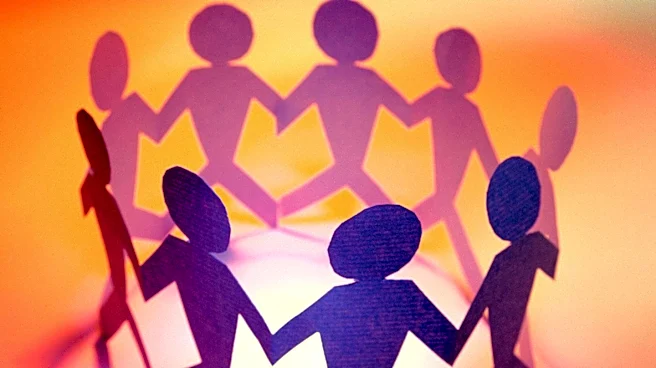
As the United States approaches its 250th anniversary, Illinois is experiencing a period of civic strain characterized by division, declining trust in institutions, and the effects of racial and social inequities. In response, initiatives like Healing
Illinois, a racial and community healing program managed by the Illinois Department of Human Services and the Field Foundation, are working to bridge these divides. The program invests in nonprofit organizations that foster connection and belonging across race, culture, and geography. This year, nearly 200 organizations across 30 counties have utilized Healing Illinois funding to elevate unheard voices and transform culturally significant places into sites of connection. Examples include the At the Table Dinner & Dialogue Series in Carbondale and the Albany Park Theatre Project in Chicago, which use arts and dialogue to promote understanding and identity.
Why It's Important?
The efforts in Illinois highlight the critical role of community-led initiatives in addressing civic challenges and fostering democracy. By empowering local organizations and residents, these programs create sustainable solutions and drive meaningful change. The focus on healing and connection is seen as fundamental civic infrastructure, essential for rebuilding trust and strengthening democracy. This approach underscores the importance of grassroots leadership, particularly from historically marginalized communities, in creating inclusive and resilient societies. The success of these initiatives could serve as a model for other states facing similar challenges, emphasizing the power of local action in renewing democratic values.
What's Next?
The ongoing efforts in Illinois suggest a continued focus on community engagement and healing as a means to strengthen democracy. As these initiatives progress, they may inspire similar programs in other regions, potentially leading to a broader national movement. The emphasis on local storytelling and dialogue could also influence public policy and civic education, promoting a more inclusive understanding of American history and identity. Stakeholders, including civic leaders and policymakers, may look to these models to address division and foster unity at a larger scale.