




What's Happening?
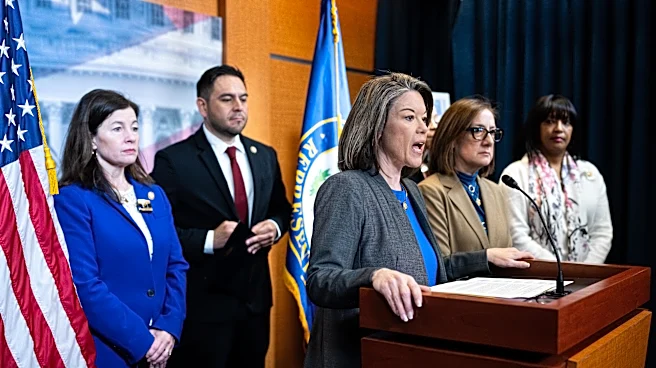
Rep. Judy Chu (CA-28) and Sen. Cory Booker (NJ) have reintroduced the Developing Innovative Partnerships and Learning Opportunities that Motivate Achievement (DIPLOMA) Act. This legislation aims to provide federal grants to states, encouraging and supporting
community schools. These schools are designed as collaborations between educational institutions and community partners to address the holistic needs of students through evidence-based practices. The bill also includes provisions for planning grants, which would assist states in designing effective implementation strategies. According to Rep. Chu, the DIPLOMA Act seeks to integrate comprehensive services such as healthcare, tutoring, and family support directly into schools, transforming them into full-service community hubs. Sen. Booker emphasized that the act would unite schools, families, and community partners to ensure all children have access to necessary resources and opportunities for success. The proposed grants would support local partnerships between public schools and entities like local governments, higher education institutions, nonprofits, businesses, or foundations.
Why It's Important?
The reintroduction of the DIPLOMA Act is significant for U.S. education and social policy, as it addresses the multifaceted challenges students face beyond academics. By fostering community schools, the legislation aims to create environments where students' basic needs, including health, mental well-being, and family support, are met. This integrated approach is crucial because, as Rep. Chu noted, students are more likely to struggle academically when their fundamental needs are unmet. The bill's focus on state-led grants empowers states to tailor programs to their specific community requirements, potentially leading to more effective and sustainable solutions. Furthermore, by involving diverse community partners, the act could strengthen local ecosystems, creating a more robust support network for children and families. This initiative could lead to improved educational outcomes, reduced achievement gaps, and enhanced overall community well-being, benefiting students from disadvantaged backgrounds who often lack access to such comprehensive services.
What's Next?
The DIPLOMA Act will now proceed through the legislative process in Congress, where it will be subject to committee review, potential amendments, and votes in both the House and Senate. Supporters, including the Institute for Educational Leadership (IEL), the Coalition for Community Schools, and the American Federation of Teachers (AFT), will likely advocate for its passage. If enacted, states would then be able to apply for federal grants to develop and expand their community school initiatives. This would involve designing strategies, identifying community partners, and implementing programs that integrate academic, health, and social services. The success of the act would depend on the level of federal funding allocated and the willingness of states and local communities to embrace and effectively implement the community school model. Future steps would also include monitoring the effectiveness of these programs and assessing their impact on student achievement and community engagement.
Beyond the Headlines
The DIPLOMA Act represents a broader shift in educational philosophy, moving beyond traditional academic instruction to embrace a holistic view of student development. This approach acknowledges that factors outside the classroom significantly influence a child's ability to learn and succeed. The legislation's emphasis on partnerships between schools and diverse community entities could foster greater civic engagement and shared responsibility for youth development. Ethically, it underscores the principle that society has a collective obligation to ensure all children have equitable access to resources that support their growth. Legally, if passed, it would establish a federal framework and funding stream for community schools, potentially standardizing best practices and encouraging innovation across states. Culturally, it could lead to schools becoming more central to community life, serving as hubs for various services and fostering stronger connections between families, educators, and local organizations, thereby strengthening the social fabric of neighborhoods.