





What's Happening?
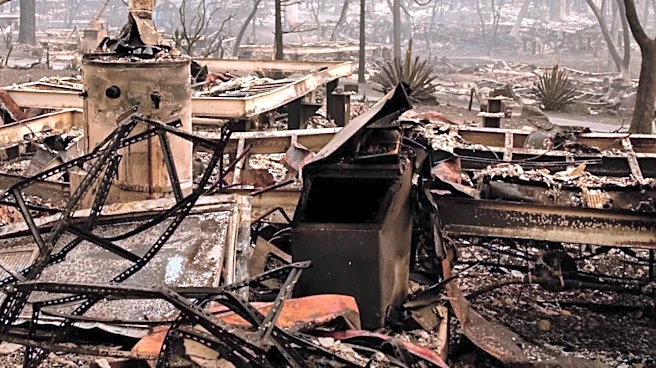
Eight years after its ignition on November 8, 2018, the Camp Fire in Butte County, California, remains the state's deadliest and most destructive wildfire. The fire resulted in 85 civilian deaths and destroyed 18,804 structures, making it the top event
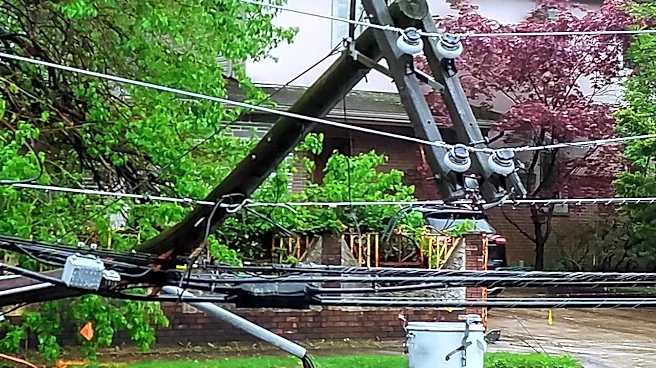
on CAL FIRE's lists for both fatalities and structural damage. The fire burned 153,336 acres and was fully contained 17 days after it started. CAL FIRE attributes the cause to power lines. Crucially, a Red Flag Warning for strong winds and very dry air was issued two days prior to the fire, with an update an hour before ignition forecasting north to east winds of 15 to 25 mph, gusts up to 45 mph, and up to 60 mph on exposed ridges, alongside humidity as low as 10 to 15 percent. This pre-existing hazardous weather condition underscored the extreme risk present in the region.
Why It's Important?
The enduring legacy of the Camp Fire as California's most devastating wildfire underscores the critical importance of wildfire preparedness and response in high-risk areas. The fact that it remains unmatched in terms of deaths and destruction highlights the extreme vulnerability of communities to rapidly moving, wind-driven fires, especially under severe weather conditions. The pre-existing Red Flag Warning serves as a stark reminder of the need for residents and authorities to heed such alerts as immediate calls to action for readiness and potential evacuation. This event has profoundly influenced wildfire management strategies, urban planning in wildland-urban interface zones, and public awareness campaigns regarding defensible space and emergency preparedness. The economic and social recovery in affected areas, particularly Paradise, continues to be a long-term challenge, demonstrating the lasting impact of such catastrophic events on communities and regional economies.
What's Next?
In the wake of the Camp Fire, ongoing efforts are focused on enhancing wildfire resilience across California. This includes continued investment in early warning systems, improved vegetation management, hardening of infrastructure (especially power lines), and community-level preparedness programs. For residents in fire-prone areas, the lesson from the Camp Fire emphasizes the importance of treating Red Flag Warnings as critical alerts for immediate preparation, including having evacuation plans, packing essential items, and ensuring vehicles are fueled. State and local agencies are likely to continue refining evacuation protocols and communication strategies to ensure timely and effective responses during future fire events. Research into fire behavior and climate change impacts on wildfire frequency and intensity will also remain a priority, aiming to develop more effective prevention and mitigation techniques to prevent another disaster of the Camp Fire's magnitude.
Beyond the Headlines
The Camp Fire's enduring status as California's deadliest wildfire points to deeper societal and environmental challenges. It highlights the complex interplay between climate change, which contributes to hotter and drier conditions, and human development patterns that push communities into high-risk wildland-urban interfaces. The fire also brought into sharp focus the responsibilities of utility companies in maintaining infrastructure to prevent ignitions, leading to significant legal and regulatory reforms. Beyond the immediate physical destruction, the Camp Fire left an indelible mark on the mental health and social fabric of affected communities, with long-term impacts on displacement, trauma, and the struggle to rebuild. This event serves as a powerful case study for understanding the multifaceted consequences of mega-fires and the urgent need for comprehensive, multi-sectoral approaches to address the growing wildfire crisis in the U.S. and globally, encompassing policy, technology, community engagement, and environmental stewardship.